


An investigation has exposed a Muslim man in Pakistan as the man behind a single Facebook page which published viral AI-generated anti-Muslim hate videos targeting British audiences.
The creator, who describes himself as a Hafiz of the Quran and also operates pages sharing Quranic verses and Islamic teachings, built a network of social media accounts under the name “Britain Today.” Collectively, the pages attracted millions of views and earning around $1,500 per month from the viral content.
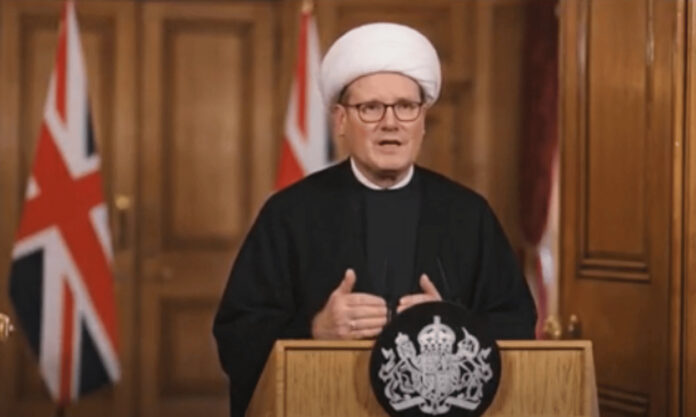
Content posted across the network called for Muslims to be deported from the UK, promoted the “great replacement” conspiracy theory, and included a deepfake video depicting Prime Minister Keir Starmer wearing Islamic clothing while using a racial slur aimed at Pakistanis.
Following enquiries from the The Bureau of Investigative Journalism, Meta removed the Britain Today accounts from Facebook, Instagram and TikTok.
Identity shocker

The individual uses the title Hafiz, an honourific awarded to those who have memorised the Quran in full. Alongside his anti-Muslim content, he also manages pages dedicated to Quranic verses and Islamic teachings, with one account featuring an image of the Kaaba as its profile picture.
At the same time, he was responsible for creating “Britain Today”, a Facebook page with around 192,000 followers that regularly published inflammatory anti-Muslim material aimed at UK audiences. Posts advocated for Muslims to be removed from Britain, repeated the “great replacement” conspiracy theory, and described Muslims praying in public as both a “dominance strategy” and an “invasion of the West.”
Subscribe to our newsletter and stay updated on the latest news and updates from around the Muslim world!
Much of the page’s output, including its branding, imagery and videos, was reportedly produced using artificial intelligence tools such as Grok and Google’s image generator Whisk. Video editing was carried out using CapCut, owned by TikTok parent company ByteDance, while thumbnails were created with ChatGPT.
According to the investigation, the process involved identifying trending news stories through Google’s Gemini chatbot, pasting text into CapCut, allowing AI to generate the video, adding a thumbnail and then publishing the content.
When AI-generated material was unavailable, the creator reused clips sourced from Twitter and TikTok. “All of these things are copy-paste,” he told the Bureau. Revenue was generated through Meta’s creator monetisation programme, which rewards users based on advertising placements and engagement levels on successful posts.
Feigned ignorance
Among the most widely shared uploads was an AI-generated video of Keir Starmer, posted during the week following the outbreak of the US-Iran conflict. The clip showed a realistic likeness of the prime minister standing behind a Downing Street lectern dressed in Islamic attire, claiming Britain remained “still a proud Muslim country” before using a racial slur directed at Pakistanis.
The video reportedly received approximately 400,000 views across Facebook and Instagram.
Authentic footage was also repurposed in misleading ways. One video featuring London Mayor Sadiq Khan discussing prejudice against British Muslims was reposted alongside a caption falsely alleging that the government was funding a Muslim charity “while Muslims rape women and children.” Another clip showing Khan attending a public Ramzan iftar event in Trafalgar Square was labelled online as a “colonisation event.”
When approached by a British Muslim reporter from the Bureau, the man claimed he did not fully understand English-language content. “I don’t speak proper English and then I don’t understand what they have and haven’t written,” he said in Urdu.
He also stated that his focus had been on audience numbers rather than the subject matter itself. “I just knew that I was getting views and what else do I want? I did very wrong,” he said, adding that he would remove the content.
However, the investigation noted that the videos contained visual elements that would have been difficult to overlook. The creator had also spent considerable time learning how to maximise earnings through Facebook monetisation, including paying other content creators for advice and watching tutorials on YouTube.
He further claimed that he teaches Facebook monetisation strategies to his own students free of charge.