



The UK government has introduced a new definition of anti-Muslim hate after months of consultation and controversy surrounding the process, at a time when hate crimes against Muslims are at record high levels.
On Monday, after months of controversy surrounding the decision by the UK government to scrap the term Islamophobia and replace it with a new definition of “anti-Muslim hate”, Communities Secretary Steve Reed unveiled the plan to implement the new definition in the House of Commons.
“Religious hate crimes targeted at Muslims are also at record levels, with almost half of these crimes targeted towards the Muslim community and many living in fear that they will be targeted because of how they look or assumptions over where they come from,” Reed said in the House of Commons.
“This government has a duty to act but cannot tackle something that has not been defined.”
“The government is taking the historic step of adopting a non-statutory definition of anti-Muslim hostility which makes it clear what is unacceptable prejudice, discrimination and hatred directed at Muslims or those perceived to be Muslim.”

Ministers say that it is a working definition and a “tool for government and organisations to better understand, measure, prevent and address anti-Muslim hostility”.
The definition is still non-statutory, meaning it is advisory and has no legal backing as of now.
Subscribe to our newsletter and stay updated on the latest news and updates from around the Muslim world!
The new definition
The new definition consists of three paragraphs, as well as a longer document published on the government’s website. It states:
“Anti-Muslim hostility is intentionally engaging in, assisting or encouraging criminal acts – including acts of violence, vandalism, harassment, or intimidation, whether physical, verbal, written or electronically communicated – that are directed at Muslims because of their religion or at those who are perceived to be Muslim, including where that perception is based on assumptions about ethnicity, race or appearance.
It is also the prejudicial stereotyping of Muslims, or people perceived to be Muslim, including because of their ethnic or racial backgrounds or their appearance, and treating them as a collective group defined by fixed and negative characteristics, with the intention of encouraging hatred against them, irrespective of their actual opinions, beliefs or actions as individuals.
It is engaging in unlawful discrimination where the relevant conduct – including the creation or use of practices and biases within institutions – is intended to disadvantage Muslims in public and economic life.”
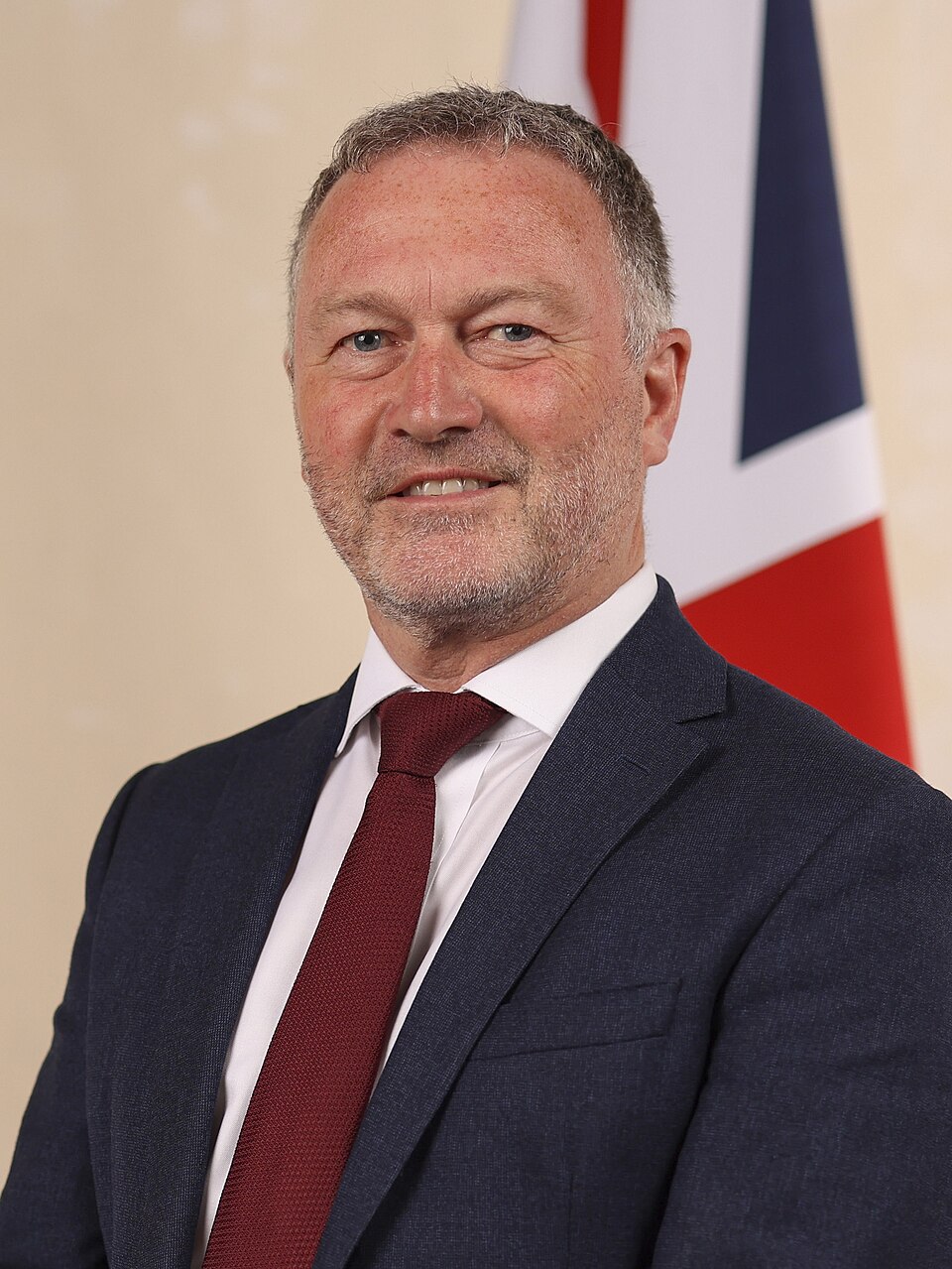
Reed also announced the government’s plan to appoint an anti-Muslim hate tsar, similar to the antisemitism tsar already in place.
Hate crimes against Muslims at record high
Criticism has arisen for the new definition, with many raising questions on whether or not it covers structural and institutional Islamophobia.
The decision process over reaching a new definition took many months and was led by former Conservative minister Dominic Grieve, who led a five-person working group of experts.
Research by the think tank Equi found that there was a 43% rise in anti-Muslim hate crimes between 2023 and 2024, many of which were triggered by the 2024 summer riots over the belief that the Southport killer was a Muslim.
The Home Office noted that the Southport murder and riots triggered an increase in Islamophobic offences since the summer of 2024.
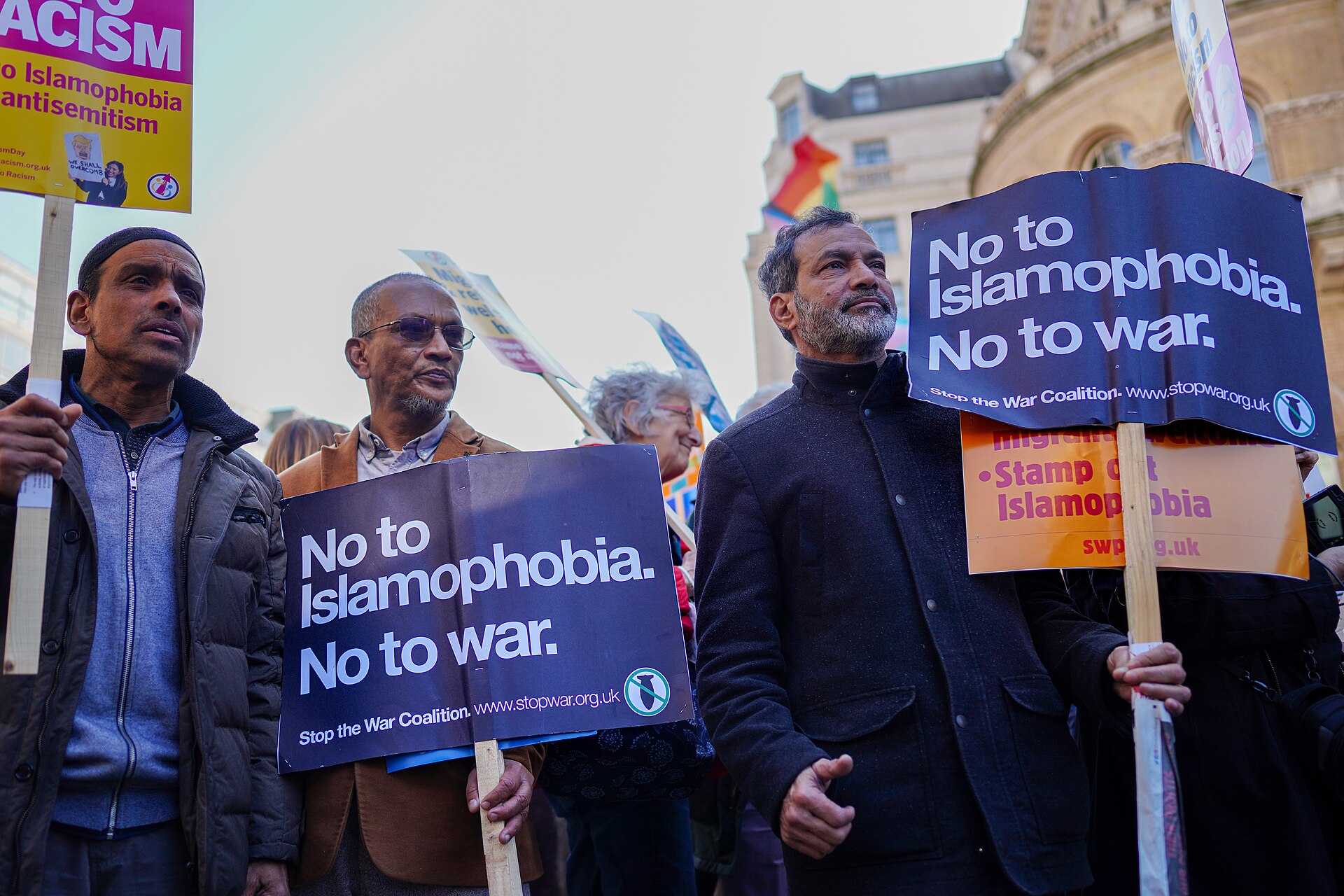
According to Home Office statistics, 45% of all religious hate crimes in England and Wales (excluding London) recorded in the last year targeted Muslims — a 20% increase.
The government also announced plans for an annual state of extremism report, which it said would help the visa watchlist taskforce to prevent hate preachers and so-called “extremists” from entering the country.
Despite the controversy surrounding the new definition of anti-Muslim hate, certain Muslim institutions have welcomed the recent change as a positive move.
Chairman of the British Muslim Trust, Shabir Randeree, said that it would “help guide institutions that have too often been too slow or too weak in their responses to incidents a tolerant and respectful country like ours must never accept”.
Far-right response
However, the far-right have reacted negatively to the new decision, citing a loss of free speech rights.
Reform UK’s Matt Goodwin said in a statement on X: “Today is a dark day for the United Kingdom. The Labour government is bringing back plans to abolish jury trials & on the same day has introduced a definition of ‘Islamophobia’ that will inevitably restrict free speech over Islam in the UK & the West. We are losing our freedoms.”
Despite this, the government has maintained that the definition, which seeks to address violence, harassment, and prejudicial stereotyping, will not impact free speech rights.
Communities Secretary Reed also denied that the definition would create “blasphemy laws by the back door.”








The UK government has introduced a new definition of anti-Muslim hate after months of consultation and controversy surrounding the process, at a time when hate crimes against Muslims are at record high levels.