




The secular Bangladesh Nationalist Party (BNP) has secured a decisive victory in the country’s general election, in the first vote since the 2024 student-led revolution ousted dictator Sheikh Hasina from power.
According to local media, the BNP-led coalition won 209 of 300 seats in the Jatiya Sangsad, making them eligible to form a government, with voter turnout exceeding 60 percent, significantly higher than the 42 percent recorded in the last election.
The Islamic Jamaat-e-Islami party, which was banned by the Hasina government, registered its best performance to date, winning 68 seats and emerging as the main opposition party in parliament, the Jatiya Sangsad.
The election was viewed as particularly significant and monumental, as voters were hopeful that it would bring stability after months of political unrest, deadly protests, and harsh economic strain which culminated in Sheikh Hasina’s deposition.
The BNP issued a statement shortly after it claimed the landslide victory in Bangladesh, urging voters to pray rather than celebrate.

“Despite winning the national parliamentary election by a large margin of votes, no celebratory procession or rally shall be organised by BNP,” the party said, calling on citizens to offer prayers in places of worship for the improvement of Bangladesh’s situation.”
The direct call for prayers and references to worship have been seen as an attempt to signal stability after a tumultuous period which led to deep societal rifts among the Muslim-majority nation of 175 million.
Subscribe to our newsletter and stay updated on the latest news and updates from around the Muslim world!
Tarique Rahman, 60, the leader of the BNP, is the son of former Prime Minister Khaleda Zia and former President General Ziaur Rahman, and is expected to take a central role in the formation of the new government, although no official announcements have been made.
Other parties address BNP victory
Shafiqur Rahman, the leader of the BNP’s main rival, Jamaat-e-Islami, said: “We will do positive politics,” telling reporters that Jamaat would not oppose the elected government.
Earlier, Jamaat also voiced concern over result tampering in a statement about the unofficial results on its Facebook page.

“We are not satisfied with the process surrounding the election results. From candidates of the 11-party alliance narrowly and suspiciously losing in various constituencies, to repeated inconsistencies and fabrications in unofficial result announcements, the Election Commission’s reluctance to publish voter turnout percentages, and indications that a section of the administration leaned towards a major party – all of this undoubtedly raises serious questions about the integrity of the results process,” the statement said.
Other parties which played a role in the election include the National Citizen Party (NCP), a group formed by youth activists who played a key role in the 2024 protests which deposed PM Hasina. The NCP won five of the 30 seats it contested as part of the Jamaat-led alliance.
Another secular party, and the party of deposed PM Hasina, the Awami League, was barred from taking part in the elections, a move which many of her long-time supporters deem controversial.
Alongside the official elections, there were also referendums on proposed constitutional reforms, such as proposals to establish a neutral interim government to oversee future elections, introduce a bicameral parliament, increase women’s representation, strengthen judicial independence, and limit the prime minister to two terms.
Sheikh Hasina responds
Sheikh Hasina, who ruled Bangladesh as a brutal dictator for 15 years, issued a statement from exile in India. She described the elections as a “carefully planned farce” and called for the cancellation of what she labelled a “voterless and unconstitutional election.”
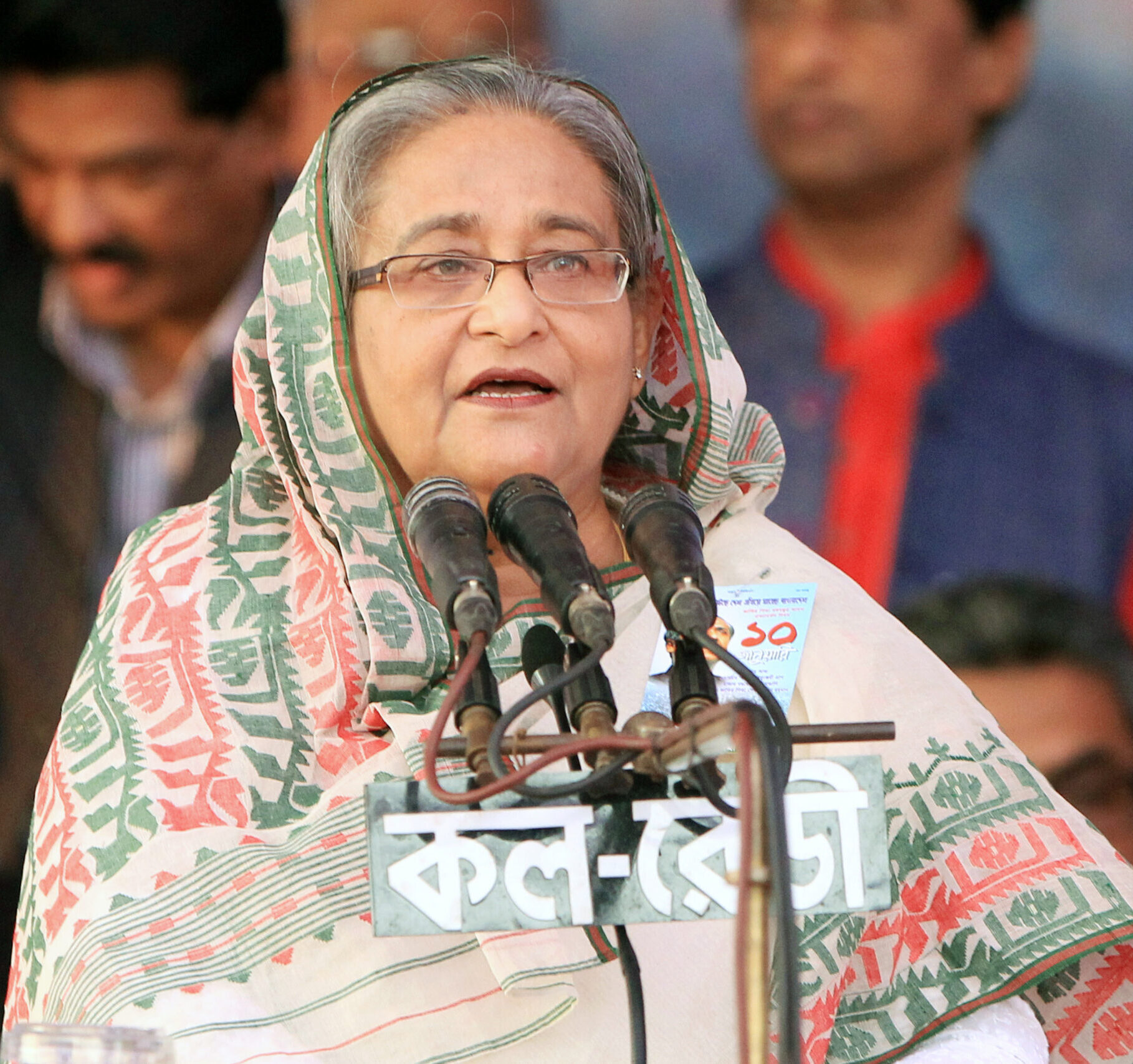
Hasina also called for new polls under a “caretaker government” to be held.
The BNP’s victory presents both relief and concern, as the country navigates how to emerge from a long period of political instability.
The sweeping two-thirds majority that the BNP secured allows it to push sweeping reforms, with increased pressure to stabilise Bangladesh’s economy, reduce political tension, and restore trust in the democratic institutions and processes of the country.