Iranian authorities have released official figures outlining the full extent of the casualties, injuries and property damage caused during the recent Western-backed riots which engulfed the country, undermining the wildly inflated claims made by Iranian dissidents on social media.
Iran’s Foreign Ministry published the figures Friday as protests that began over economic pressures turned violent amid threats from the U.S. of a direct attack on Tehran in support of the protesters. Iranian officials framed the unrest as organised violence rather than spontaneous demonstrations.
The figures were shared publicly by Foreign Minister Abbas Araghchi on the social media platform X, where he characterised the unrest as the “mayhem of a recent terrorist operation” carried out inside the country.
The statement marked one of the most comprehensive official accounts of the damage caused so far.
Damage and casualty figures

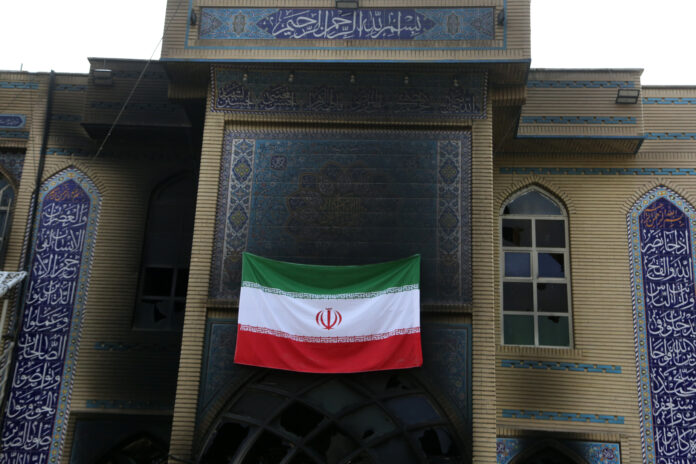
According to Araghchi, the protests caused extensive destruction to both public and private infrastructure across multiple sectors. He said damage was reported at 300 private homes, 750 banks and 414 government buildings nationwide.
Security and religious sites were also affected. Araghchi said 749 police stations and 120 Basij centres, local facilities of the volunteer Basij paramilitary force linked to Iran’s Islamic Revolutionary Guard Corps, sustained damage, along with 200 schools, 350 mosques, 15 libraries and two Armenian churches.
Subscribe to our newsletter and stay updated on the latest news and updates from around the Muslim world!
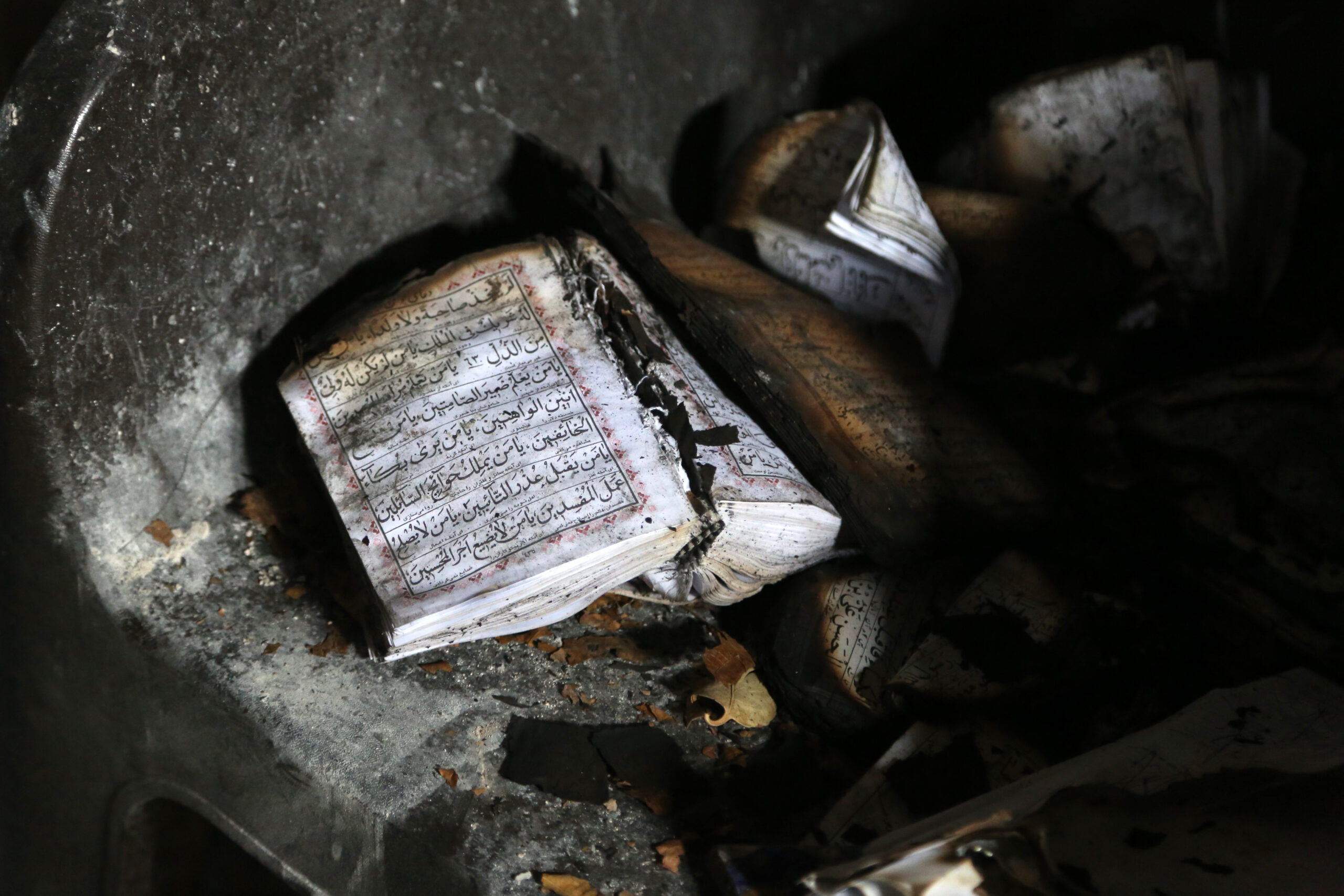
Transportation and commercial property were not spared.
The minister reported damage to 305 ambulances and buses, 253 bus stations, 600 ATMs, 700 convenience stores, 24 gas stations and 800 private vehicles, underscoring what officials described as coordinated attacks on essential services.
Araghchi also confirmed the official death toll from the unrest according to the Iranian government. Tehran claims the toll reached a total of 3,117 people, a far smaller figure than rival claims made by Iranian dissident groups based in the West.
He also stated that 2,427 of those killed were civilians and members of the security forces, while 690 were identified by authorities as “terrorists.”
Authorities claim that public institutions and security personnel were deliberately targeted during the unrest.
Officials also stressed that the nature of the violence differentiates events inside Iran from demonstrations elsewhere. They have repeatedly rejected characterisations that frame the unrest as civil protest alone.
International reaction
The release of the figures followed remarks by U.S. Vice President JD Vance, who addressed protests Thursday in Minneapolis. Vance said Washington’s response to unrest was “very simple,” warning that those who storm churches or assault federal officers would face prison.
“Respect people’s rights to worship and to do their job without being assaulted,” Vance said, adding that authorities would use “every resource of the federal government” against violent protesters.
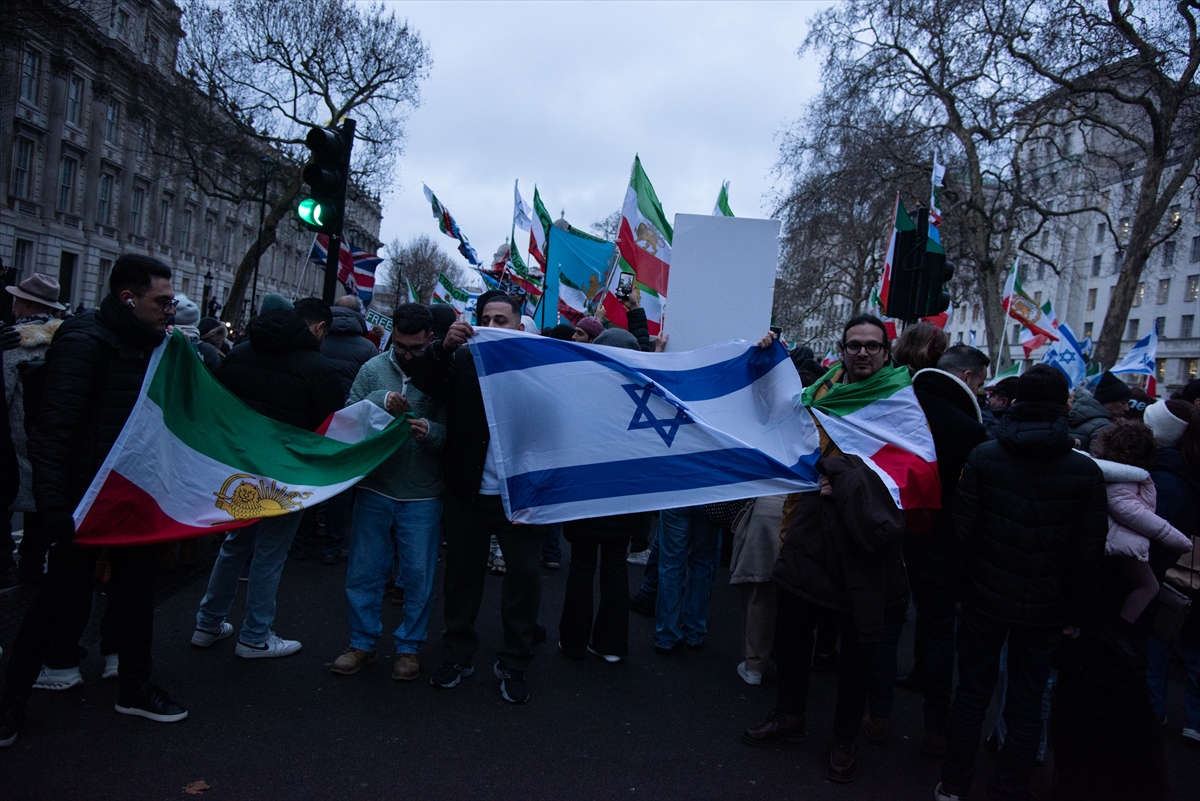
Iranian officials cited those remarks to argue that even US leaders distinguish between peaceful demonstrations and violent acts. They said the situation in Iran has been misrepresented abroad.
Casualty figures released by Iranian authorities differ significantly from those reported by independent rights groups. The US based Human Rights Activists News Agency (HRANA) said the death toll had risen to 5,002.
According to data compiled by the organisation, at least 26,752 people had been arrested by the 26th day of nationwide demonstrations, while 7,391 sustained severe injuries.
Iranian authorities have not commented on the HRANA figures. Officials continue to blame foreign actors, including the United States and Israel, for backing what they describe as armed rioters involved in attacks on public facilities.