


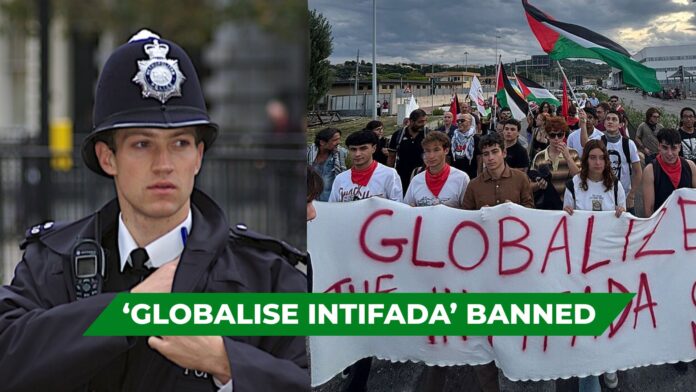
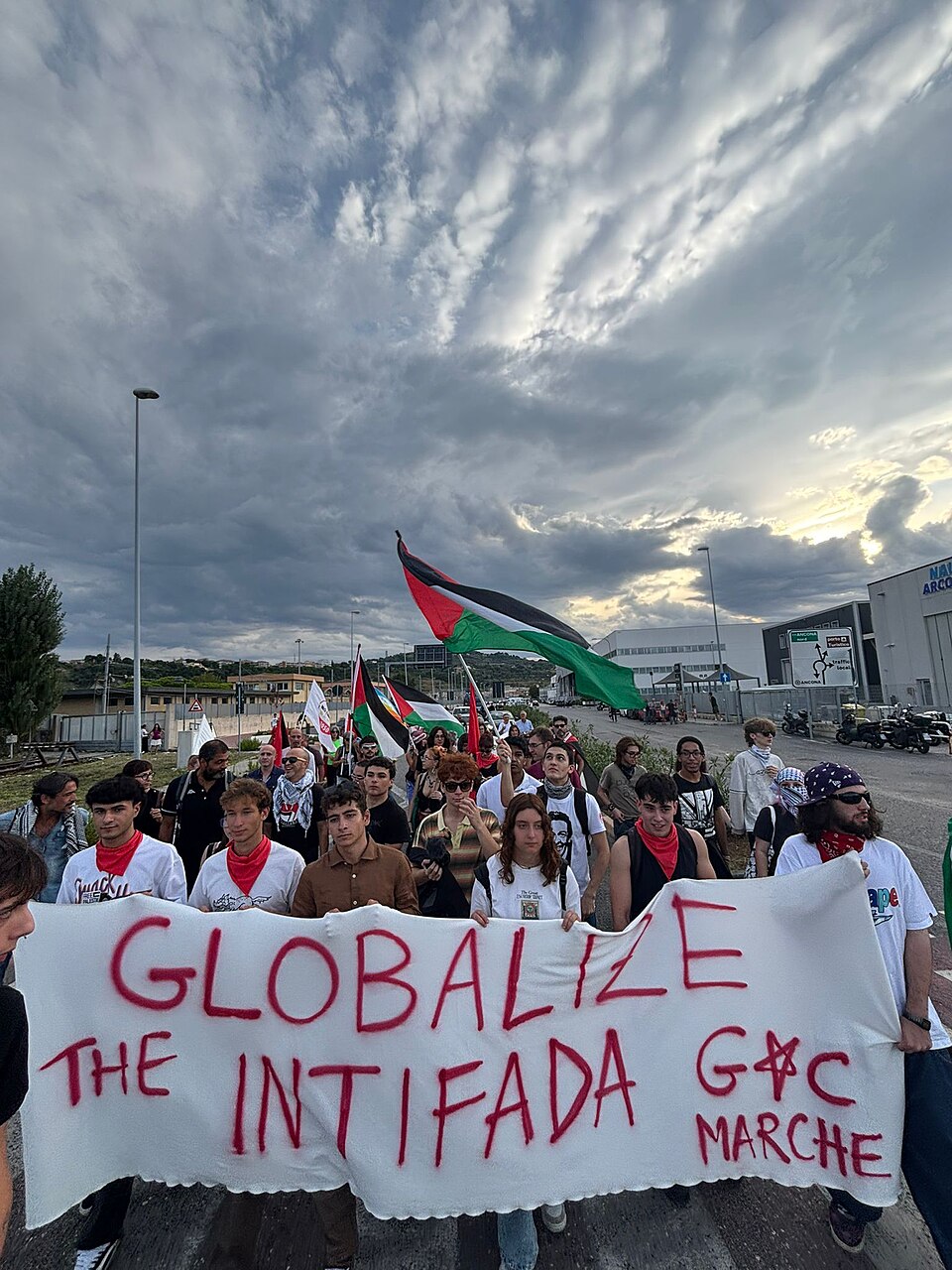
British police have announced they will arrest protesters who chant “globalise the intifada” at demonstrations in London and Manchester, a decision heavily influenced by pressure from the pro-Israel lobby.
The Metropolitan Police and Greater Manchester Police said the announcement comes after recent terror attacks, including the fatal Bondi Beach mass shooting.
Police chiefs said the context has changed, and language that once fell below prosecution thresholds now demands a tougher response.
They said officers will act decisively and make arrests where chants and placards fuel fear in Jewish communities.
The forces are briefing frontline officers on an enhanced approach using powers under the Public Order Act.

Visible patrols and protective security measures have been stepped up around synagogues, schools and community venues in both cities.
Police chiefs warned that anyone using the phrase at protests or in a targeted way should expect action.
Subscribe to our newsletter and stay updated on the latest news and updates from around the Muslim world!
Chief Rabbi Sir Ephraim Mirvis had previously called for slogans such as “globalise the intifada” to be made clearly unlawful.
Zionist Jewish groups, including the Community Security Trust (CST UK), welcomed the tougher stance.
The Board of Deputies of British Jews (BoD) said robust enforcement was long overdue to deter hate and intimidation.
Police leaders noted that until now prosecutors often advised the phrases did not meet legal thresholds for charges.
In their joint statement, Metropolitan Police Commissioner Sir Mark Rowley and Greater Manchester Police Chief Constable Sir Stephen Watson said words at protests have “real world consequences”.
Growing restrictions
Prime Minister Sir Keir Starmer has signalled a review of public order laws, partly in response to the debate over protest language.
Starmer said his government recognises the need to consider police powers when controversial slogans are used at demonstrations.

The move comes amid immense pressure from pro-Israel Jewish lobby groups following the Bondi Beach attack and a fatal synagogue stabbing in Manchester in October.
Main among them is UK Lawyers for Israel (UKLFI). It describes itself as a legal advocacy network defending Israel and Israelis from boycotts, sanctions and campaigns it sees as delegitimising Israel.
Another influential group is Campaign Against Antisemitism (CAA). They frequently campaign against slogans and imagery they argue amount to antisemitic hate speech.
Lobbying efforts from these organisations have shaped public and political pressure for wider enforcement since October 2023.
Observers say their strategy tends to equate certain pro-Palestine slogans or activism with antisemitic extremism, and push for prosecutions, proscriptions and censorship laws accordingly.
Meaning of intifada
The word “intifada” is an Arabic term meaning “uprising” or “shaking off”, and has historically referred to mass resistance to military occupation.
It entered common usage during the 1987 Palestinian uprising against Israel’s occupation of the West Bank and Gaza Strip.
For many Palestinians and their supporters around the world, the term describes civil resistance, protests, strikes and grassroots mobilisation against oppression.
Activists argue it does not inherently refer to violence, nor does it target Jewish people as a religious or ethnic group.
They say the phrase “globalise the intifada” is used to call for international solidarity with Palestinians facing occupation and siege.
Police chiefs said the new enforcement approach is necessary to deter intimidation and protect Jewish communities feeling increasingly vulnerable.