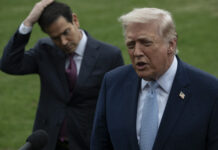



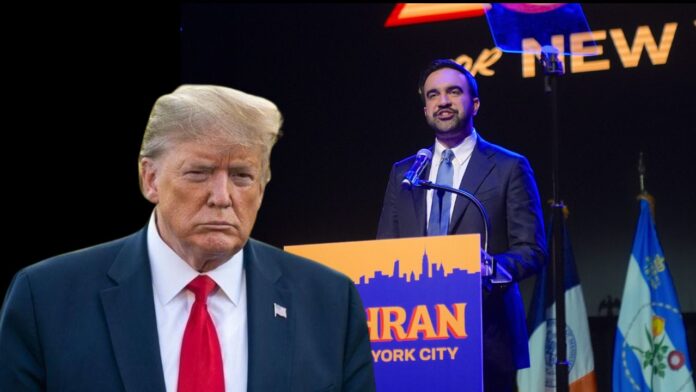
Donald Trump and New York City mayor elect Zohran Mamdani met for the first time in a warm White House session that surprised both supporters and critics.
The meeting lasted about forty minutes and featured praise from Trump that contrasted sharply with their earlier insults. Trump told reporters “I’ll be cheering for him” and said some of his views on Mamdani had changed. Mamdani stuck to his core message on affordability and emphasized shared goals for New Yorkers.
Reporters pressed both men on their past remarks. Trump brushed them off with humour, while Mamdani kept returning to his message that New Yorkers want relief from the cost of living crisis. The tone stayed cordial, even when questions touched on international issues and past accusations.
Shared priorities
Trump surprised many by softening his earlier attacks. When asked if he still saw Mamdani as a “communist” or “jihadist”, he said “we all change” and stressed his belief that Mamdani could do a “very good job” as mayor. The exchange set a tone of unexpected agreement that continued throughout the briefing.

Mamdani stressed practical issues over ideology. “It focused on the shared purpose that we have in serving New Yorkers” he said, pointing out that eight and a half million people are struggling with high costs and poverty. His focus on affordability let him sidestep provocative questions and anchor the conversation in policy.
Trump embraced this overlap, noting they share voters in some neighbourhoods. He highlighted their mutual interest in lower grocery prices and what he called progress toward “peace in the Middle East”. The agreement did not erase their political differences, but it brought a rare moment of alignment.
Subscribe to our newsletter and stay updated on the latest news and updates from around the Muslim world!
Press tension
Reporters repeatedly pushed Mamdani on past statements. When asked whether New York City loves Trump, he replied, “New York City loves a future that is affordable”. His answers stayed consistent and avoided giving new fuel to critics.
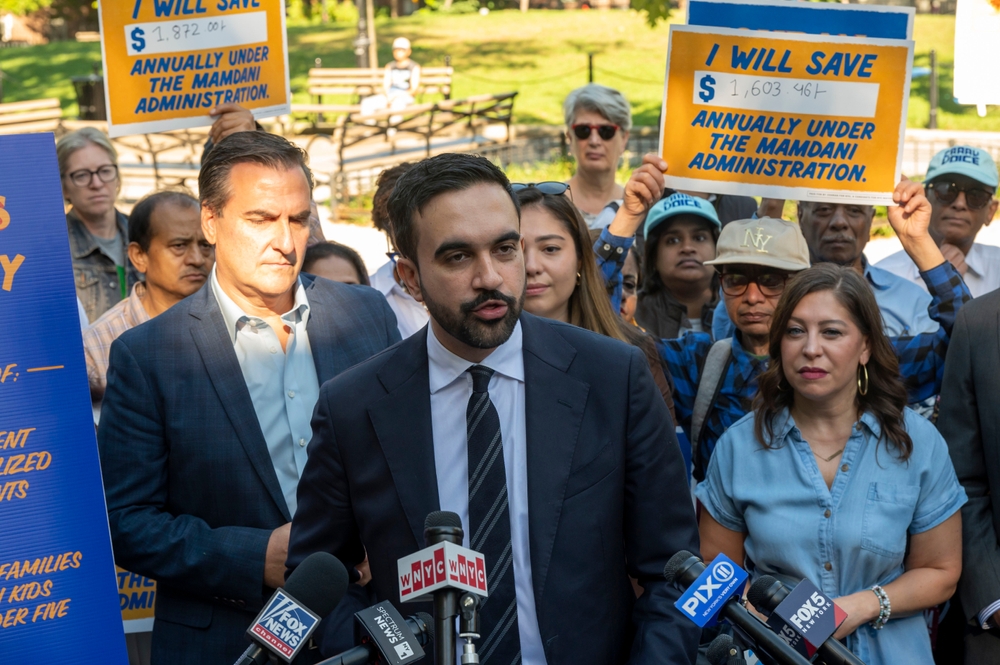
Questions turned international when Mamdani was asked about accusing the US government of committing genocide in Gaza. He responded, “I’ve spoken about the Israeli government committing genocide, and I’ve spoken about our government funding it”. The moment underscored the political gap between the two men, but Trump stepped in at times to keep the atmosphere calm.
Trump also dismissed right wing claims that Mamdani planned tax hikes targeting specific groups. Mamdani replied, “we intend to create a fair property tax system” and described the current structure as so inequitable it cannot stand in court. The exchange showed how each tried to pull the discussion toward broader policy goals.
Political strategy
Trump’s decision to meet appeared to reflect his interest in harnessing some of Mamdani’s appeal. He noted that Mamdani went from polling in single digits to becoming mayor, a rise that mirrored Trump’s own early outsider momentum. The comparison came up again when CBS correspondent Norah O’Donnell asked Trump about similarities between them during the programme known as 60 Minutes, prompting his joking reply about being “a much better looking person”.
The White House also leaned into the contrast. Press secretary Karoline Leavitt said it “speaks volumes that tomorrow we have a communist coming to the White House” but argued that Trump will “meet with anyone and talk to anyone” for the good of the country. Her comments highlighted the administration’s attempt to frame the meeting as proof of Trump’s openness.
Mamdani framed his own victory as part of a larger shift inside the Democratic Party. He argued that young men, young voters, and Asian voters can still be engaged by candidates who address their concerns. “These same constituencies that we had been told were potentially forever leaving the party could, in fact, be the foundations” he said. The message reinforced the populist crossover that both leaders tried to claim.