



Syrian President Ahmed al-Sharaa is currently in the United States to meet President Donald Trump in an effort to deepen Syrian-American relations, push for broader sanctions relief, and formalise Syria’s entry into the U.S.-led coalition against ISIS.
Al-Sharaa, who rose to power after leading rebel forces that toppled Bashar al-Assad last December, is scheduled to meet President Trump on Monday. The visit follows the U.S. lifting terrorism-related sanctions on Sharaa and removing a $10 million bounty on his head. It marks the first official visit by a Syrian president to the White House since 1946.
Once the senior commander of the al-Qaeda-linked Hayat Tahrir al-Sham (HTS), Sharaa’s transformation from militant leader to head of state has been swift and controversial. The State Department delisted HTS in July and formally removed Sharaa from the terrorism blacklist just days before the visit. U.S. officials cited progress by Sharaa’s interim government, including cooperation on locating missing Americans and dismantling chemical weapons stockpiles.
The White House meeting follows a series of high-level contacts between Sharaa and U.S. officials since his initial encounter with Trump in Saudi Arabia last May. Over the weekend, Sharaa met International Monetary Fund (IMF) chief Kristalina Georgieva to discuss aid for Syria, as part of a broader effort to secure international backing for rebuilding a country shattered by 13 years of civil war.
Sanctions push


Sharaa’s top priority during his U.S. visit is securing a permanent repeal of sanctions. While Trump has temporarily waived the Caesar Act restrictions, lifting them permanently requires congressional approval. Two competing proposals are under consideration: one from Senator Jeanne Shaheen calling for an unconditional end to sanctions, and another backed by Senator Lindsey Graham linking repeal to a biannual review of Syria’s human rights and security record.
Advocates warn that conditional relief would deter foreign investment. Mouaz Moustafa of the Syrian Emergency Task Force described the uncertainty as a “hanging shadow that paralyses any initiatives for our country.”
Subscribe to our newsletter and stay updated on the latest news and updates from around the Muslim world!
Last week, the UN Security Council, with U.S. backing, voted to lift sanctions on Sharaa and other senior officials, signalling growing international support.
Counterterrorism cooperation
One of the key drivers of warming ties is Syria’s role in the fight against ISIS. Sharaa’s government has conducted more than 60 operations targeting ISIS sleeper cells across major cities including Damascus, Raqqa and Aleppo. These raids have led to dozens of arrests and have been presented as part of a broader shift toward stability and counterterrorism.
Washington plans to open a military base near Damascus to coordinate aid and monitor security developments, particularly along the Israeli-Syrian border. Sharaa is expected to formally sign an agreement joining the U.S.-led coalition against ISIS.
While some in Washington remain wary of Sharaa’s militant background, officials acknowledge the practical need for cooperation.
Terrorism-linked history
Sharaa’s past remains contentious. As a senior figure in HTS, formerly al-Nusra Front, he was once considered a top-tier terrorist target. The U.S. had offered a $10 million reward for information leading to his arrest. That bounty was withdrawn in the lead-up to the current diplomatic thaw.
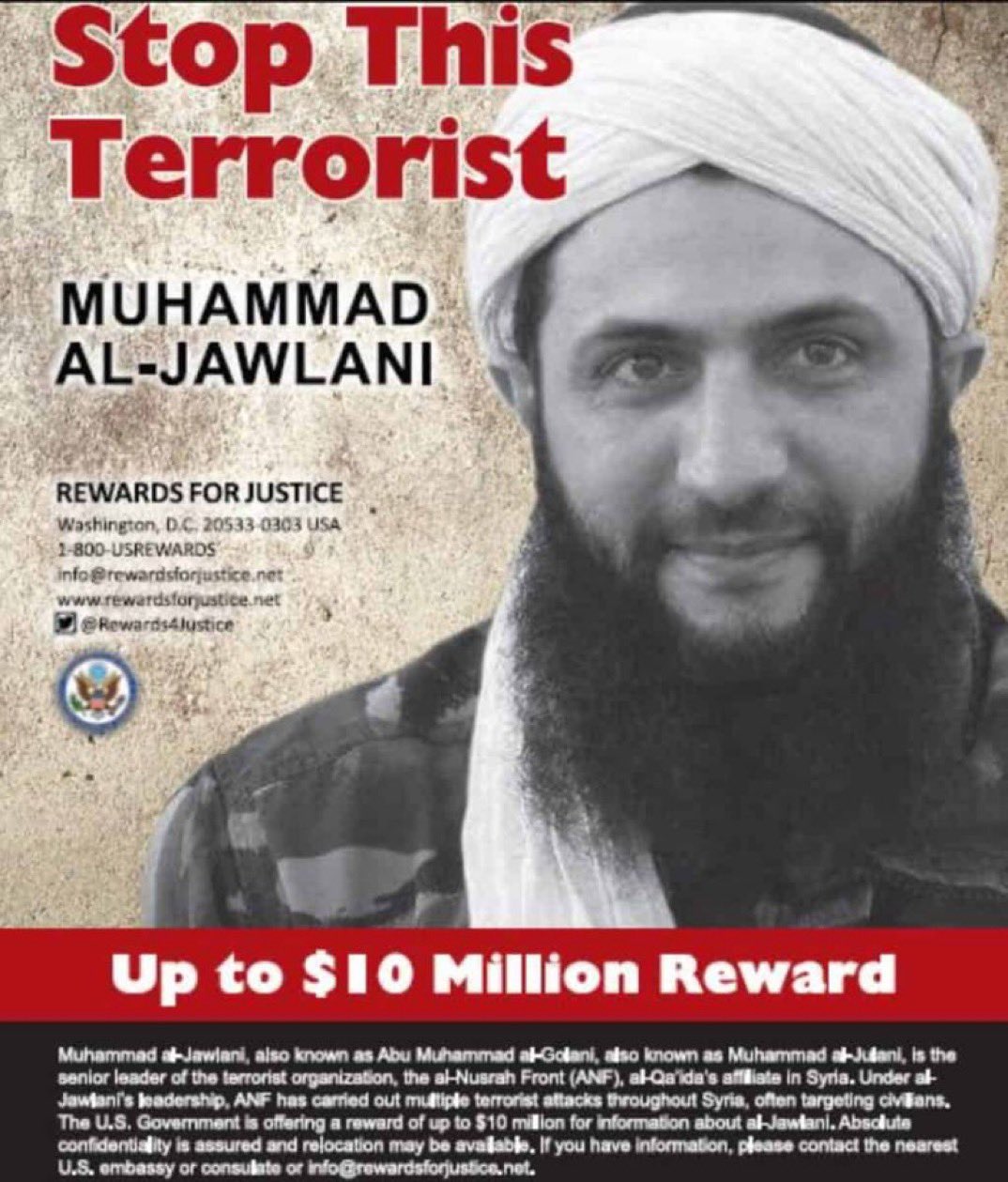 HTS was removed from the U.S. terrorism list only months ago. Critics argue that the delisting, and Sharaa’s normalisation, risk whitewashing the group’s history.
However, his interim government’s recent actions demonstrate a marked shift in ideology.
Observers say Sharaa’s visit is part of a wider regional realignment. Israeli officials have reportedly held indirect talks with Syrian intermediaries, suggesting the U.S. may be facilitating a preliminary diplomatic channel.
While no formal negotiations have begun, the presence of a U.S. base near Damascus could serve as a platform for future dialogue.
Diplomatic gamble
The White House is framing the meeting as a bold step toward regional peace. Press Secretary Karoline Leavitt described it as “part of the president’s efforts in diplomacy to meet with anyone around the world in the pursuit of peace.”
Trump has praised Sharaa as a “tough guy” who is “doing a very good job so far.” The visit, though historic, carries significant risk. U.S. allies are watching closely, and the outcome may determine whether Syria can permanently shed its pariah status or whether the trip ends in failure to secure the sweeping sanctions relief Sharaa is seeking.
What is clear is that the stakes are high. For Sharaa, the trip is about more than symbolism — it is a test of whether he can cement his legitimacy on the world stage and deliver economic recovery at home.