


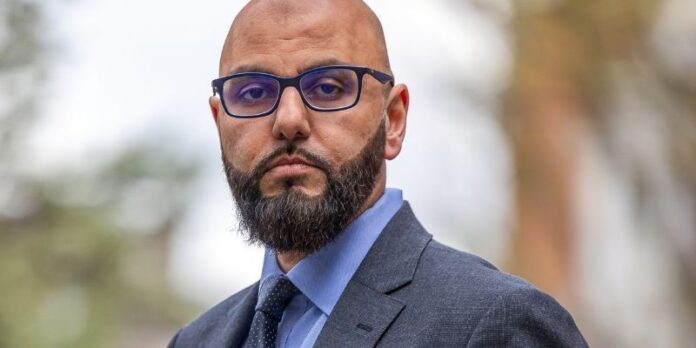
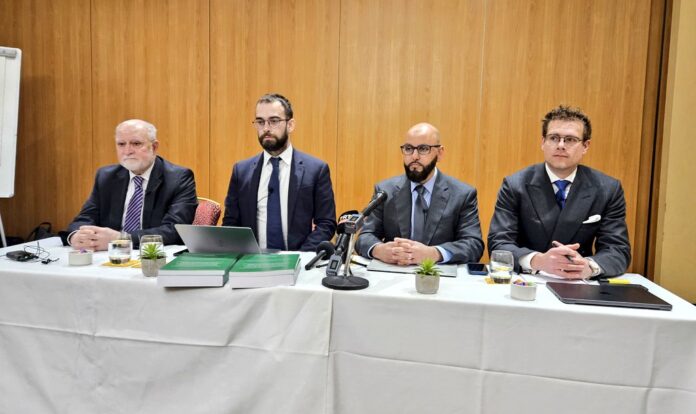
Irish Muslim lawyer Fahad Ansari will be appealing a High Court decision that allowed police to access his work phone, in a case described by rights groups as a grave threat to legal privilege and client confidentiality.
The High Court dismissed Ansari’s application for interim relief, permitting officers to examine the phone seized from him under Schedule 7 of the Terrorism Act 2000 at Holyhead Port back in August.
The hearing took place under a closed material procedure, where secret evidence is presented without the defendant or their legal team being present — a process long criticised by senior judges and campaigners for undermining transparency and the right to a fair hearing.
A disclosure hearing is scheduled for January 2026, followed by a full judicial review in May 2026. Following the ruling, Ansari warned that the judgment posed a serious risk to legal confidentiality.
“I will never know what secret material is being used against me,” he said. “I have only fulfilled my professional duty to provide access to justice. But the fact that the judge has again referred to my representation of Hamas suggests that the state is identifying me with my client.

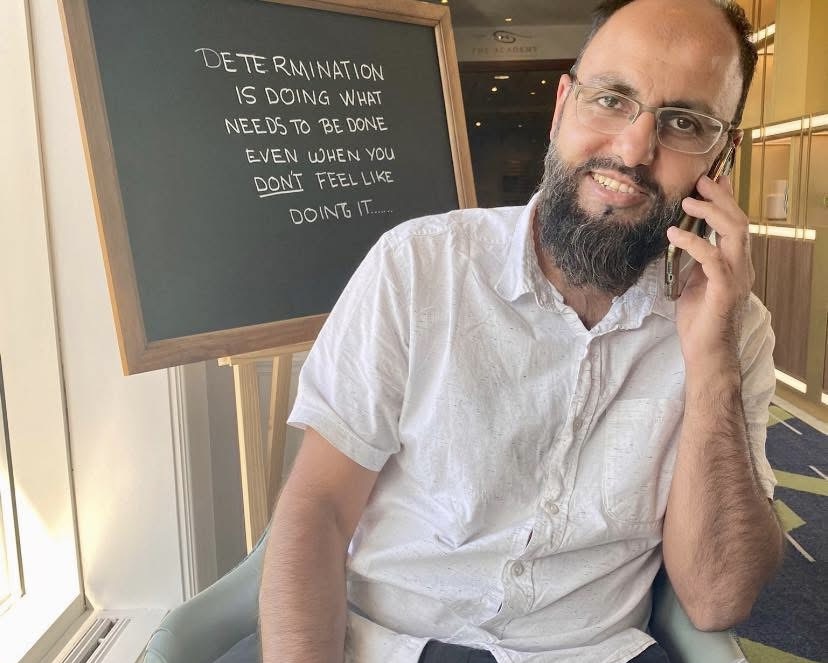
He said: “The judiciary today has failed to protect a lawyer’s legally privileged work phone in a brazen assault on protections afforded to lawyers and their clients.
Subscribe to our newsletter and stay updated on the latest news and updates from around the Muslim world!
“This all stems from a Schedule 7 stop, which underlines how extensive and abusive this power has become.
“Secret evidence played a crucial role, perfectly encapsulating the relationship between dragnet powers, rule-violating policies, and a compliant judiciary eroding our collective freedoms.”
Legal and civil society solidarity
The case has sparked widespread solidarity among lawyers, academics, and activists. Over 100 signatories — including Professor Avi Shlaim (University of Oxford), Dr Asim Qureshi (CAGE International), David Cannon (Jewish Network for Palestine), and Roshan Muhammed Salih (5Pillars) — signed a statement denouncing what they called a campaign of harassment against Ansari for representing controversial clients.
“We condemn the escalating campaign of harassment by the British authorities against Irish Muslim solicitor Fahad Ansari, who is being politically targeted solely for carrying out his professional duties,” the statement read.
The signatories described how Ansari was stopped under Schedule 7 at Holyhead Port on 6 August 2025, while returning from a family holiday in Ireland. Police detained him for nearly three hours, questioning him about his religious practices, views on Palestine, protest attendance, and client list, before seizing his work phone, despite his insistence it contained privileged legal material.
Rights groups said it was the first known instance of Schedule 7 powers being used against a practising solicitor.
Background and previous cases
Ansari, director of Riverway Law, specialises in human rights and national security cases. Earlier this year, he led a landmark application to de-proscribe Hamas under Section 4 of the Terrorism Act, which allows banned organisations to challenge their designation. The application, backed by 20 international experts including former ICJ judge Professor John Dugard, argued that Hamas’ listing was politically motivated and inconsistent with international law.
“The application invites the Secretary of State to change course from Britain’s longstanding complicity in settler colonialism and apartheid, dating back to the Balfour Declaration until the present-day genocide,” Ansari said at the time.
He also successfully argued before the Supreme Court that the government had unlawfully denied citizenship to a child of a man stripped of British nationality under counter-terrorism powers — a ruling hailed as a major victory for due process.
However, following the Hamas case, Ansari faced intense media backlash and online abuse, including death threats, after politicians and commentators accused him of sympathising with his client.
Schedule 7 under scrutiny
Schedule 7 has long been condemned by the UN, independent reviewers of counter-terrorism legislation, and human rights organisations for its broad application and lack of safeguards. It allows police to detain and question individuals at ports and airports for up to six hours without any requirement for suspicion.
Critics say it has been used disproportionately against Muslims, journalists, and activists to extract personal data and stifle dissent under the guise of national security.
The signatories added: “Schedule 7 has been used to harass and intimidate activists, journalists, and human rights defenders to create an environment of fear and to access personal data without judicial oversight. We stand in solidarity with Fahad Ansari and support his judicial review against the Chief Constable of North Wales Police and the Home Secretary.”
As the case proceeds to appeal, legal experts say its outcome could set a major precedent on the limits of state power, and whether national security can override the centuries-old principle of legal privilege protecting client confidentiality.