



Pakistan and Afghanistan have agreed to a 48-hour ceasefire following days of deadly clashes along their shared border, which have left scores dead and prompted evacuations.
The truce began at 6:00pm Islamabad time (13:00 GMT) yesterday, with each country claiming the other requested the pause in hostilities.
Pakistan confirmed the ceasefire duration, stating: “During this period, both sides will sincerely strive to find a positive solution to this complex but resolvable issue through constructive dialogue.”
In Kabul, the government directed its forces to respect the truce “unless it is violated” by Pakistan, according to a spokesman’s statement on X.
Zabihullah Mujahid, spokesman for the Islamic Emirate of Afghanistan (IEA) said: “The Islamic Emirate has directed all its forces to respect the ceasefire … unless any aggression takes place.”
This temporary cessation follows a week of escalating violence. The IEA had initiated offensives along the southern Pakistani border, prompting Islamabad to threaten decisive retaliation.

However, Kabul has declared its border offensive as retaliation against an earlier airstrike by Pakistan on Afghanistan.
Subscribe to our newsletter and stay updated on the latest news and updates from around the Muslim world!
What sparked the fitna?
The background behind the recent fighting between the two Muslim-majority countries centres on an ongoing conflict inside Pakistan between the army and an armed insurgent group responsible for deadly attacks inside the Islamic Republic.
Pakistan has consistently accused Afghanistan of sheltering fighters belonging to the Tehrik-i-Taliban Pakistan group, also known in English as the Pakistani Taliban (TTP). However, the IEA has strongly rejected these accusations.
Despite the similar name, the TTP are a separate organisation from the Afghan Taliban group which fought against and defeated the illegal U.S.-led occupation in Afghanistan.
The IEA government launched its major offensive across the border in “retaliation” for air strikes carried out by the Pakistani army on Kabul on October 9, reportedly targeting a leader of the TTP group which may have been roaming the area.
Following the strike, the IEA confirmed that it attacked Pakistani troops in multiple mountainous locations on the northern border on Sunday.
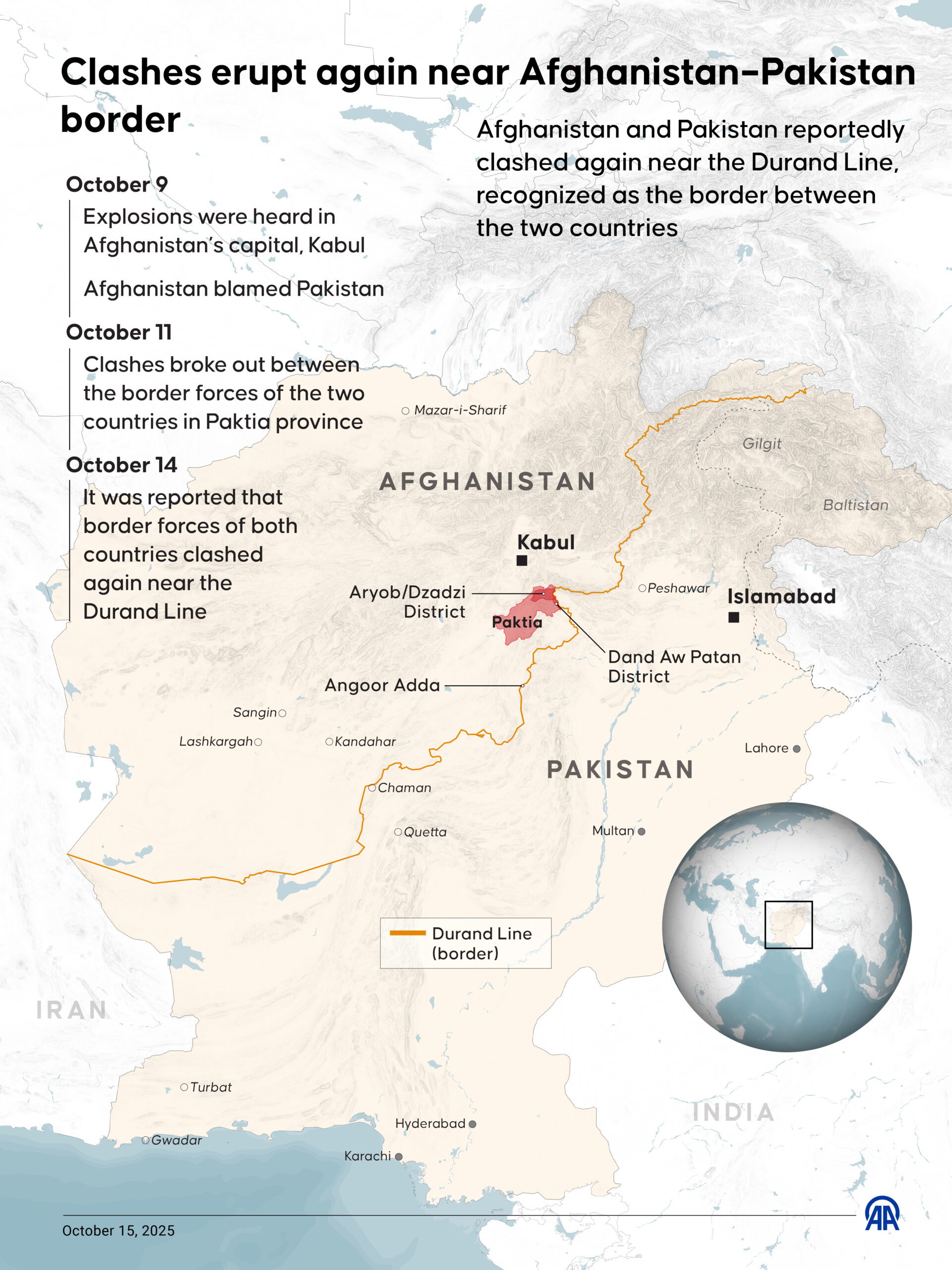
An IEA spokesman claimed 58 Pakistani military personnel had been killed.
Pakistan has disputed that figure, saying 23 of its armed forces’ members had died and claiming that “200 Taliban and affiliated terrorists have been neutralised.”
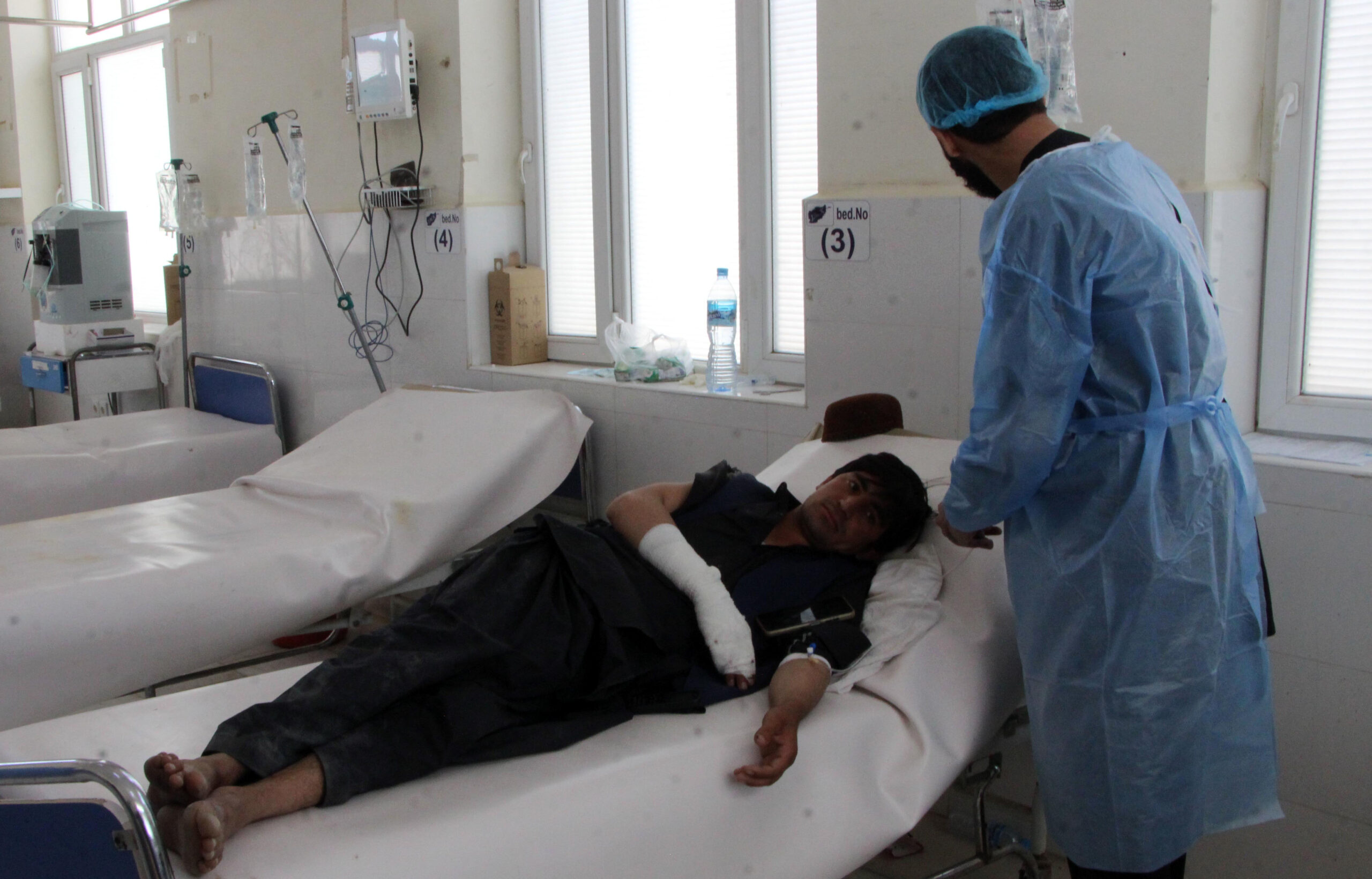
The death toll from the weeks fighting is disputed between the rival sides but scores of civilians and armed fighters have been killed and many more wounded.
The IEA claimed that 15 civilians died and dozens were wounded near Spin Boldak, with “two to three” of its fighters also killed in the most recent fighting.
Spokesman Mujahid claimed 100 civilians were wounded and that Pakistani soldiers had been killed and weapons captured.
Pakistan’s military dismissed the claims as “outrageous and blatant lies.” Claiming that they had successfully repelled two major assaults on its territory and killed far more Afghan fighters in the process, while failing to divulge their own casualty count.
The ceasefire raises hopes of an end to the fitna between two key Muslim countries in the region. However, the tensions between the two have been simmering away for some time and fears remain that a major conflict between the two may be inevitable unless diplomatic efforts achieve a meaningful breakthrough.
Speculation about possible interference from foreign powers such as the United States has been witnessed by experts on the regions history.