The Netherlands has warned it will boycott Eurovision 2026 in Vienna if Israel participates, citing the severe human suffering in Gaza.
The Netherlands has become the latest country to threaten withdrawal from next year’s Eurovision Song Contest if Israel is allowed to compete, citing Israel’s devastating war on Gaza and its impact on civilians and journalists.
Dutch broadcaster AVROTROS, one of the many public broadcasters which funds and airs Eurovision, issued a statement on Friday making clear it would not take part in Vienna should Israel remain in the line-up. The broadcaster said it had made its decision “given the ongoing and severe human suffering in Gaza.”
It added, “The broadcaster also expresses deep concern about the serious erosion of press freedom: the deliberate exclusion of independent international reporting and the many casualties among journalists,”
Spain, Ireland and Iceland

The Dutch stance follows similar moves elsewhere. Ireland’s national broadcaster RTE announced on Thursday that it would refuse to participate in Eurovision if Israel remains involved, describing participation as “unconscionable” while the genocide continues.
Meanwhile, Iceland has also said it is considering withdrawal, while Spain’s Prime Minister Pedro Sanchez has gone further by publicly calling for Israel to be excluded from the competition altogether.
Subscribe to our newsletter and stay updated on the latest news and updates from around the Muslim world!
 AVROTROS noted that it had weighed heavily the staggering number of journalists killed in Gaza, which currently stands at 270 reporters, photographers and media personnel. The enclave remains one of the most dangerous places in the world for media workers, with international journalists still unable to enter freely.
According to health authorities in Gaza, more than 64,800 Palestinians have been killed and over 164,260 wounded since Israel’s assault began in October 2023. The majority of victims are women and children, and hundreds more have died from starvation and malnutrition as Israel continues to impose a crippling blockade. Aid agencies have described the situation as catastrophic, warning of widespread famine if the war continues unchecked.
Growing pressure
The European Broadcasting Union (EBU), which oversees the contest, acknowledged the growing disquiet among members. EBU said the body was now consulting broadcasters across Europe about how to “manage participation and geopolitical tensions.”
“We understand the concerns and deeply held views around the ongoing conflict in the Middle East,” said Martin Green, director of Eurovision. “It is up to each member to decide if they want to take part in the contest, and we would respect any decision broadcasters make.”
The EBU has set a mid-December deadline for broadcasters to confirm participation in the 2026 competition. AVROTROS stressed that while it will continue its preparations for now, its final decision depends on whether organisers permit Israel to remain.
Observers note that Russia was banned from Eurovision in 2022 following its invasion of Ukraine. Israel, however, has been allowed to compete despite its genocidal war and forced starvation of Gaza
Eurovision remains one of the world’s most-watched live cultural events, with 166 million viewers tuning in to this year’s contest.
Division within Eurovision
The issue has already divided the Eurovision community. Dozens of former participants, including Nemo of Switzerland, the 2024 winner, have urged organisers to exclude Israel until the war ends.

Protests also took place during the 2025 event in Basel, Switzerland, where both pro-Palestine and pro-Israel demonstrators gathered.
Although smaller in scale than the 2024 protests in Sweden, they reflected how Eurovision has become entangled in global politics.
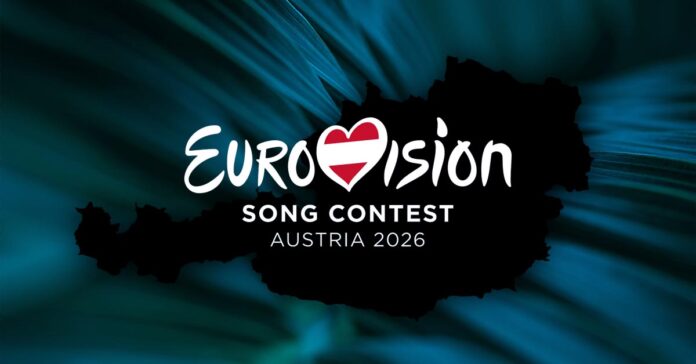
The 2026 Eurovision is set to take place in Vienna, Austria, with the semifinals scheduled for May 12 and 14, and the grand finale on May 16.
For now, the EBU faces mounting pressure to take a clear stance on Israel’s participation. If Israel remains, the contest could see a cascade of withdrawals that would damage its credibility.
The Dutch broadcaster has made it clear that the contest’s legitimacy is at stake. Its statement underlined that Eurovision cannot remain blind to the suffering in Gaza or the silencing of journalists.
Whether the organisers act or allow the situation to drift may determine whether the contest next year is remembered for music, or for mass boycotts.