



Iran has warned Europe against reimposing United Nations sanctions, calling the move a grave miscalculation that risks deepening regional instability.
Iran’s Foreign Minister Abbas Araghchi accused Britain, France and Germany of aligning themselves with Washington’s failed policies after the E3 triggered the UN “snapback” mechanism.
Writing in The Guardian, Araghchi said Europe had “enabled the excesses of Washington” by following former US President Donald Trump’s abandonment of the 2015 nuclear deal. He added that while Iran upheld its obligations under the agreement, Europe failed to deliver promised economic normalisation and trade.
Araghchi unveiled what he called a “realistic and lasting bargain,” pledging strict oversight and limits on enrichment in exchange for sanctions relief. He cautioned that ignoring diplomacy “may have destructive consequences for the region and beyond on a whole new level,” and accused the E3 of demanding unilateral concessions from Tehran while refusing to condemn Israeli and American strikes on Iran.
“While failing to uphold its own obligations, Europe has expected Iran to unilaterally accept all restrictions,” he said, adding that the E3 “declined to condemn the US attack on my country in June – on the eve of diplomatic talks – and yet are now demanding UN sanctions on Iranians for supposedly rejecting dialogue.”

The minister said the European move lacked legal basis and undermined Europe’s global credibility. He warned that Britain, France and Germany were taking responsibility for “a grave mistake” that could intensify rather than ease regional tensions.
Israel and the United States
Subscribe to our newsletter and stay updated on the latest news and updates from around the Muslim world!
The warning comes against the backdrop of Iran’s most serious clashes with Israel in decades. In June, Israel launched surprise airstrikes on Iranian military, nuclear and civilian targets, including senior commanders and scientists. Tehran responded with waves of missile and drone attacks that hit Tel Aviv and Haifa. The U.S. then entered the fray, bombing three Iranian nuclear sites before brokering a ceasefire on June 24.

The 12-day conflict killed more than 220 Iranians, including dozens of women and children. Israeli officials said attacks from Iran killed eight people in Haifa and central Israel. The violence also disrupted global shipping through the Strait of Hormuz, prompting fears of escalation beyond the Middle East.
Iran accused Israel of dragging Washington into reckless wars and vowed its forces were prepared “to once again pummel Israel into running to daddy to be bailed out.”
Araghchi claimed that Israel’s failed campaign cost American taxpayers billions and depleted U.S. stocks of vital defence equipment.
Weakening of the Axis of Resistance
Iran’s nuclear bargaining position is weakened by setbacks across the region. In Syria, President Bashar al-Assad’s regime collapsed in December 2024 after a coalition of rebel groups led by Hayat Tahrir al-Sham (HTS) surged into Aleppo, Hama and Homs before entering Damascus. Assad fled the capital, ending more than five decades of oppressive dynastic rule.

The opposition offensive, named “Operation Deterrence of Aggression”, was backed by Turkish-aligned factions and gained momentum as Syrian soldiers abandoned their posts. Years of economic crisis and widespread discontent accelerated Assad’s downfall.
Analysts noted that Russia, bogged down in Ukraine, and Hezbollah, battered by Israeli strikes, were unable to rescue Damascus.
For Tehran, the fall of Assad was a major strategic loss. Syria had served as a crucial link in Iran’s corridor of influence to the Mediterranean, enabling support for Hezbollah and Palestinian factions. With Assad gone, that network is fractured, exposing Iran’s regional allies to greater vulnerability.
The Iranian-backed “Axis of Resistance” suffered another significant blow with the assassination of Hezbollah’s Secretary General Hassan Nasrallah last September. Israeli jets struck Beirut’s southern suburb of Dahiyeh, killing Nasrallah and several senior commanders.
Nasrallah, who led Hezbollah for over 30 years, was widely regarded as Iran’s linchpin in Lebanon. His leadership had transformed Hezbollah into a disciplined and powerful force, capable of waging long campaigns. Analysts described his death as depriving Iran of both a symbolic figurehead and an experienced strategist.
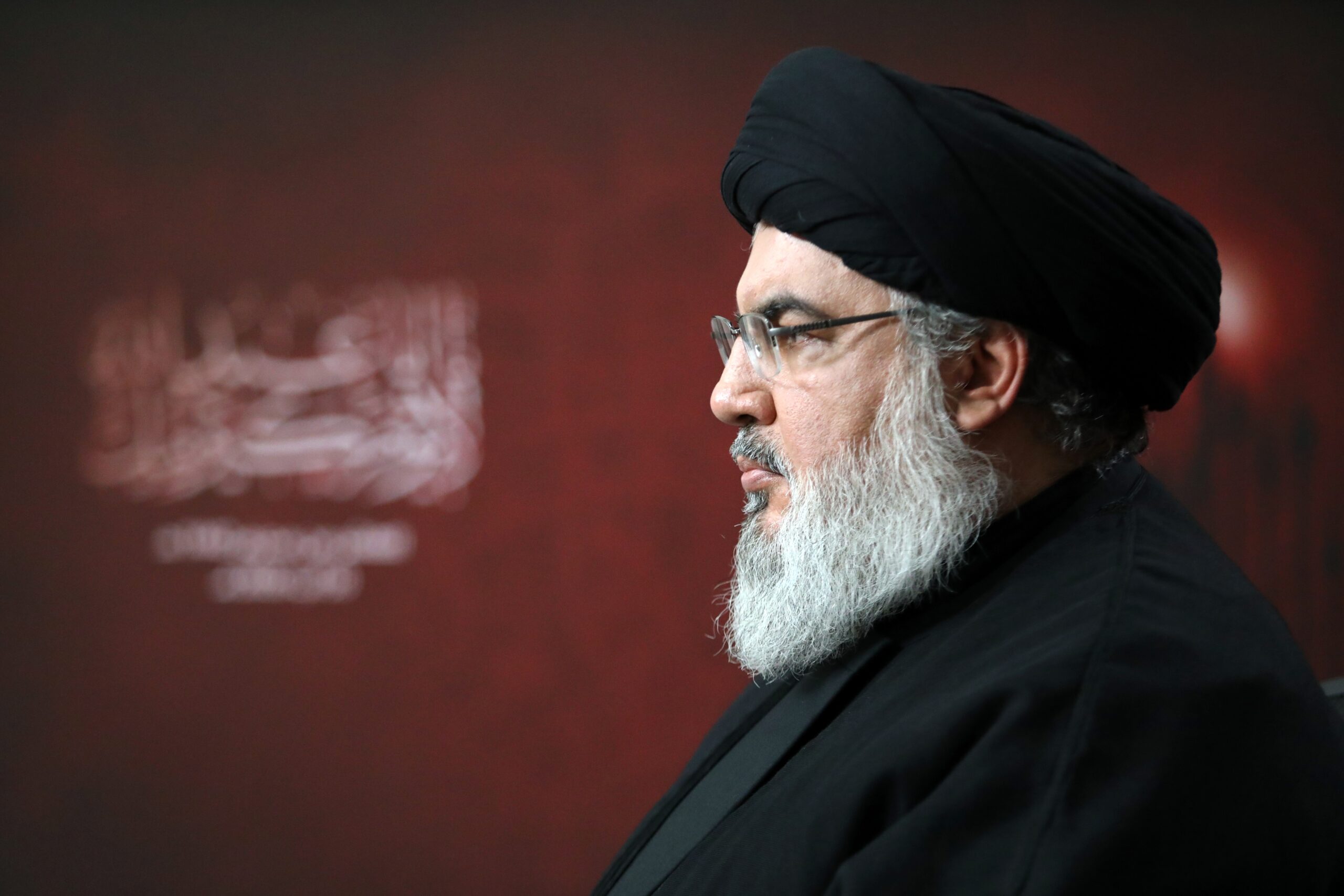
Editorial credit: mohammad kassir / Shutterstock.com
Hezbollah has vowed to continue fighting, but observers doubt whether any successor can match Nasrallah’s charisma and authority. Israel says the group still possesses tens of thousands of rockets, but admits it intends to continue targeting its leadership. The loss has left many in Lebanon bracing for further escalation and instability.
Iran’s Supreme Leader Ayatollah Ali Khamenei has insisted that Hezbollah’s “strong structure” remains intact, dismissing Israel as “too insignificant” to inflict lasting damage. Yet the combined loss of the Assad regime in Damascus and Nasrallah’s leadership in Beirut has seriously weakened Tehran’s regional posture.
As Europe edges closer to restoring UN sanctions, Tehran now finds itself under pressure on multiple fronts: isolated abroad, bruised militarily by Israel and the U.S., and weakened by the collapse of allies.