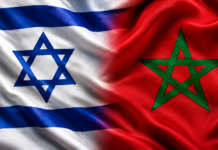




Egypt has extended a massive gas deal with Israel until 2040, deepening its reliance on energy imports from its neighbour in the midst of Israel’s ongoing genocide.
The agreement worth $35bn is with NewMed Energy, a partner in Israel’s Leviathan gas field, and expands a 2019 deal that originally ran for 60 billion cubic metres of gas.
Under the new terms, Egypt will now import approximately 130 billion cubic metres over the next 15 years, making it the largest gas export agreement in Israel’s history.
For activists the timing and scale of the deal highlight a deepening political contradiction. They argue it will further silence the Egyptian government’s criticism of Israel for at least the next two decades.
Many see this as a strategic victory for Israel which gains both economically and politically. It secures a long term revenue stream, cements its position as a dominant energy exporter in the Mediterranean and binds the most populous Arab nation into a structural dependency.

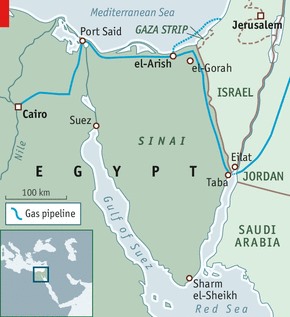
Israel’s Leviathan and Tamar gas fields are connected to Egypt via an undersea pipeline to North Sinai.
Egypt uses part of this gas domestically and re-exports the rest as liquefied natural gas from its Idku and Damietta facilities to European and Asian markets.
Subscribe to our newsletter and stay updated on the latest news and updates from around the Muslim world!
This arrangement gives Israel leverage. It has previously halted exports for security and operational reasons, demonstrating its ability to disrupt Egypt’s supply when it chooses.
Critics say this makes Cairo’s ability to apply meaningful pressure on Tel Aviv almost impossible.
Egypt’s energy crisis
Egypt was once a net exporter of liquefied natural gas but has seen its own production fall sharply in recent years while demand has surged.
The country’s population has passed 110 million and consumption has been driven higher by economic growth and rising living standards in urban areas.
Repeated summer heatwaves have caused power shortages and rolling blackouts, crippling businesses and fuelling public anger.
The situation has become politically sensitive with memories still fresh of how economic grievances helped trigger the 2011 uprising.
President Abdel Fattah el Sisi’s government now views uninterrupted electricity as a matter of political survival.
Energy imports, even from a state actively engaged in a war on Palestinians, are seen as a necessary price to avoid domestic unrest.
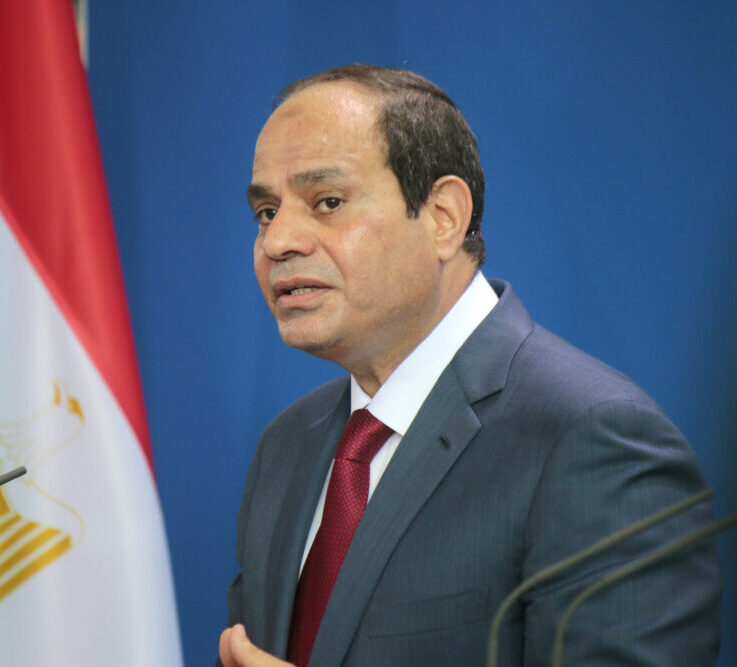
Editorial credit: 360b / Shutterstock.com
Egyptian Prime Minister Mostafa Madbouly confirmed the deal last week, describing it as an extension of the 2019 agreement.
Speaking at his weekly press conference he said the deal will not affect Egypt’s firm and clear stance on Palestine or its rejection of any attempt to liquidate the Palestinian cause.
Madbouly argued that Egypt is developing itself as a regional energy hub and that such commercial arrangements are not tied to its political positions.
He said the country’s existing infrastructure, including its two liquefaction plants, makes it a natural centre for gas trade in the region.
Liquidating opposition
These assurances have done little to silence critics. Many point out that Egypt’s historical role as the key Arab mediator in the Israeli Palestinian conflict is now undermined by its growing dependence on Israeli gas.
Some argue that by locking in energy imports until 2040 Egypt has limited its diplomatic room for manoeuvre in ways that will benefit Israel for decades to come.
The $35bn value of the deal dwarfs many other regional trade agreements and will be a significant driver of Israel’s economy.
The timing during what many international observers have called a genocidal campaign against Gaza is seen by activists as especially damaging to Egypt’s credibility.
The deal comes as Gaza faces near total devastation after almost two years of siege bombardment and mass civilian casualties.
More than two million Palestinians are trapped in the enclave facing starvation and repeated displacements.
Egypt has consistently opposed the forced displacement of Palestinians from Gaza into Sinai but campaigners question how strongly Cairo can maintain that position while deepening economic ties with Israel.
For now the Egyptian government insists that its energy strategy and its political stance on Palestine are entirely separate.
But with billions of dollars and decades of supply now at stake critics say Egypt’s independence on the Palestinian issue has never been more constrained.