




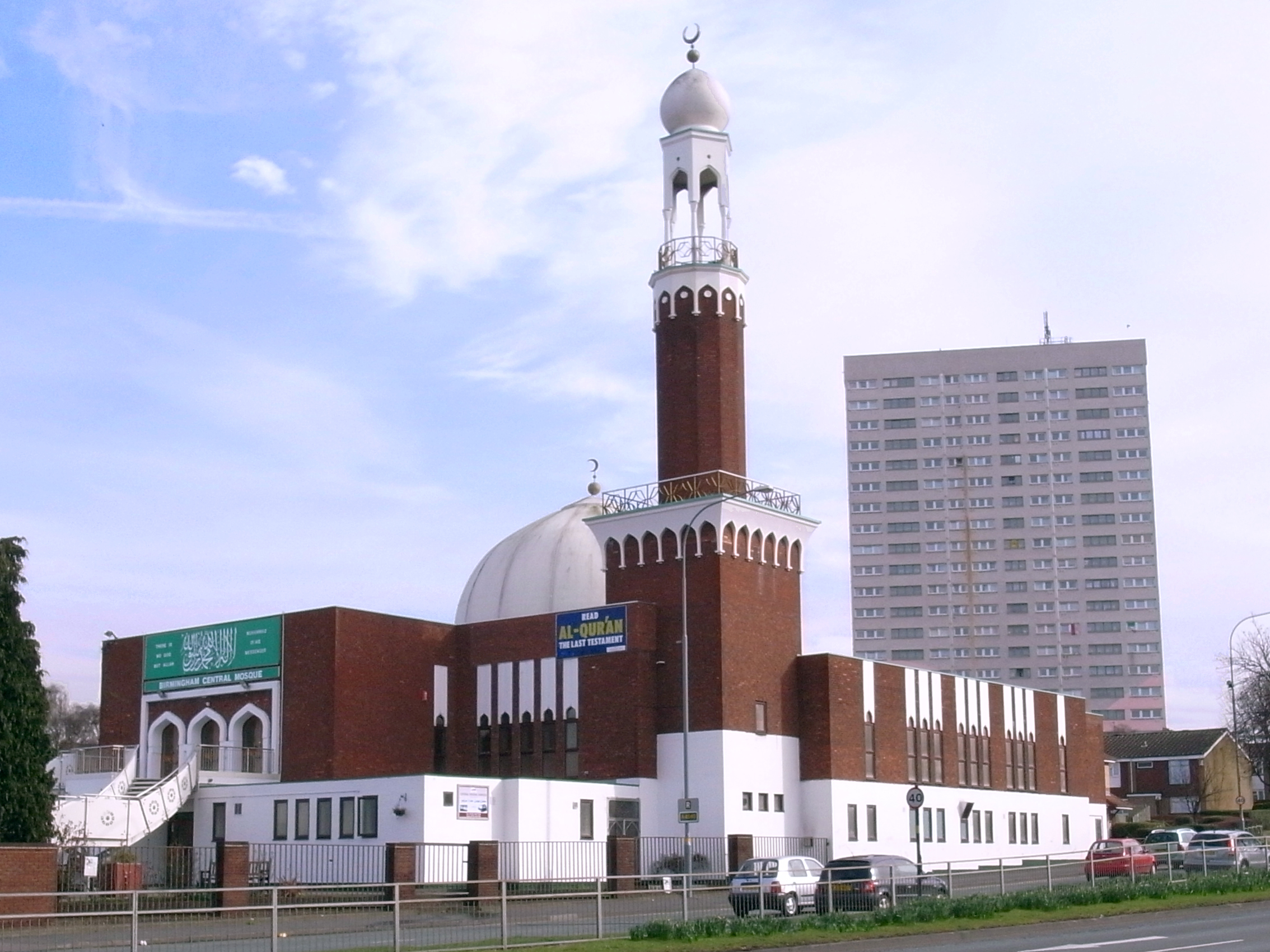
A new report by the Ayaan Institute has revealed that British Muslims have created an asset base of mosques worth £1.5 billion a year and generating an annual income of around £500 million.
The landmark first-of-its-kind study says this effort has been almost entirely community funded with only minimal government involvement.
According to the report, this shows how much commitment and dedication the Muslim community has put into establishing Islam in this country.
However, the report also warns that mosques cannot survive just on the goodwill of volunteers and now need to professionalise and invest as much in human resources as they have done in physical resources.
Ayaan Institute director Jahangir Mohamed said: “Mosques have been central to Muslim life in Britain for over a century. Far more than places of worship, they serve as vital community institutions. They are also spaces for education, social support, charity and community mobilisation…

“This is a landmark report. No previous research has established this number of registered charity mosques or produced this level of financial data. We hope it will provide community leaders and policy makers with an accessible overview of how mosques across the UK and United Kingdom are operating.
“At the same time, we hope it will stimulate thinking and a debate about how to transform mosques from what is a volunteer-led sector, with all the strengths and weaknesses that brings, to a professional performance-driven sector, meeting the needs of diverse communities in a hostile political environment.”
Subscribe to our newsletter and stay updated on the latest news and updates from around the Muslim world!
Debunking far-right myths
The study analyses 1,799 registered charity mosques — representing 65.5% of the estimated 1,844 mosques across the UK — and offers critical insights into their role, structure, and challenges.
The research highlights the resilience of Britain’s Muslim community while identifying key areas for improvement to strengthen the mosque sector.
One of the report’s most significant contributions is its dismantling of pervasive myths about mosques in Britain.
Far-right narratives and media portrayals have often suggested an exaggerated presence of mosques, fueling fears of a “takeover” of British society.
The Ayaan Institute’s data paints a starkly different picture: mosques constitute just 4% of all places of worship in the UK, compared to 89.5% for churches.
With Muslims making up 5.5% of the UK population, the report argues that mosques are, if anything, underrepresented relative to the community they serve.
Funding
The study also addresses misconceptions about funding. Contrary to claims that mosques are heavily subsidised by local councils or government, the report reveals that only 2% of the £27 million in total mosque income in 2023 — approximately £5 million — came from government grants or contracted services.
The vast majority of mosque funding comes from the British Muslim community itself, through donations and voluntary efforts.
“The idea of a mosque takeover is unfounded and contradicted by data,” the report states, emphasising the community-driven nature of these institutions.
The report estimates there are 1,844 mosques in the UK, with 1,799 identified as registered charities. This figure is a significant update, as no previous research had pinpointed this number of charity-registered mosques.
The remaining mosques’ legal structures could not be determined from public sources, though the Ayaan Institute believes many are also charities.
Mosques in Britain are predominantly small, volunteer-led institutions. The study projects a total workforce of 32,288 people across all mosques, with 20,420 involved in charity mosques alone. This includes 6,337 trustees (53%), 2,814 employees (14%), and 11,269 volunteers (55%).
The annual value of volunteer time is estimated at £54.87 million, underscoring the community’s reliance on unpaid labour. Only 6.6% of the charity mosque workforce consists of paid staff, highlighting a lack of professional management in most institutions.
Leading mosques
While the report’s financial data for 2020–2023 is partially incomplete, it provides a snapshot of the sector’s largest players in 2023.
Faizan-e-Madina in Bradford led in income with £16.96 million, followed by the United Kingdom Islamic Mission (UKIM) in London with £13.56 million.
In terms of assets, UKIM topped the list with £49.3 million, followed closely by Suleymaniye Mosque in London with £45.7 million.
Workforce size also varied significantly, with Faizan-e-Madina employing 600 staff and East London Mosque boasting 142 employees and 150 volunteers.
These figures reveal a stark disparity between well-funded, large mosques and smaller, local ones.
The report notes that while some mosques have built impressive physical infrastructure, many struggle with limited resources, relying heavily on volunteers and unpaid trustees.
Key challenges facing mosques
The study identifies several challenges that hinder the mosque sector’s development. The heavy dependence on volunteers and unpaid trustees limits mosques’ capacity to meet modern regulatory requirements or engage in sustained community development.
Smaller mosques, in particular, lack professional staff, which hampers their ability to address contemporary challenges effectively.
Another pressing issue is the rise in threats from far-right and nationalist groups. The report highlights an increasingly hostile environment, with mosques facing propaganda and physical intimidation.
This external pressure underscores the need for greater transparency, governance, and community engagement to counter misinformation and build resilience.

Recommendations
The Ayaan Institute’s report celebrates the Muslim community’s success in establishing a robust network of mosques through voluntary effort and generosity. However, it warns that investment in human resources has lagged behind infrastructure development.
“The gap is clear: investment in people has not kept pace with investment in buildings,” the report states.
Looking ahead, the study proposes a shift in focus for the next decade. Mosques should prioritise professionalisation by developing skilled human resources, including imams, administrators and educators.
Enhanced training programs and knowledge-sharing initiatives among mosques could address common challenges, such as governance and financial management.
Collaboration is also critical, as many mosques operate in isolation, limiting their ability to tackle shared issues effectively.
The report calls for greater transparency to build trust with both the Muslim community and wider society. By improving governance and engaging more actively with local communities, mosques can counter negative narratives and strengthen their role as vital community hubs.
You can download the report here.