


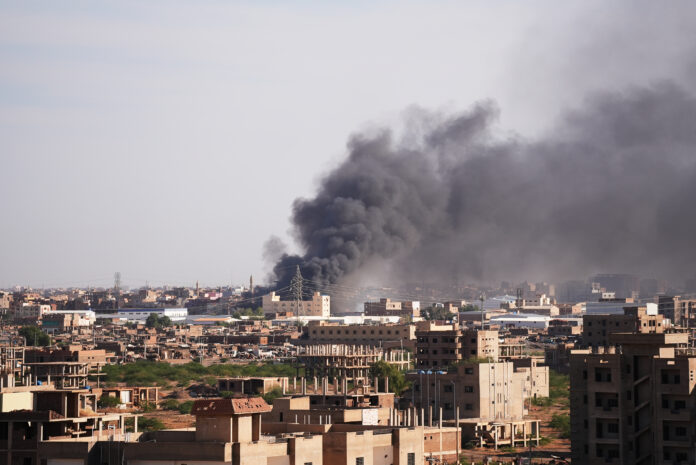
Sudan’s military and allied armed groups have recaptured the strategic area of Umm Sumayyah in North Kordofan State after fierce battles with the paramilitary Rapid Support Forces (RSF), officials announced on Sunday.
“We congratulate our people on the return of the Umm Sumayyah area in North Kordofan to the nation’s embrace,” Darfur Governor Minni Minnawi posted on Facebook. The joint armed forces backing the Sudanese army said the area, located west of the provincial capital El-Obeid, was cleared of RSF fighters after intense combat.”
The RSF had earlier claimed to have taken the area, highlighting the fluid nature of frontlines in Sudan’s 15-month-long civil war.
The violence in North Kordofan has taken a toll on civilians. At least 11 non-combatants, including three children, were reportedly killed in a separate RSF attack on Shaq Al-Noum, a nearby area.
Local doctors reported that 31 others were injured, including several pregnant women. The Sudan Doctors Network described it as “one of the worst brutal assaults” and urged international bodies to intervene.

Meanwhile, the International Organization for Migration (IOM) said 675 families were displaced from nearby villages due to ongoing insecurity.
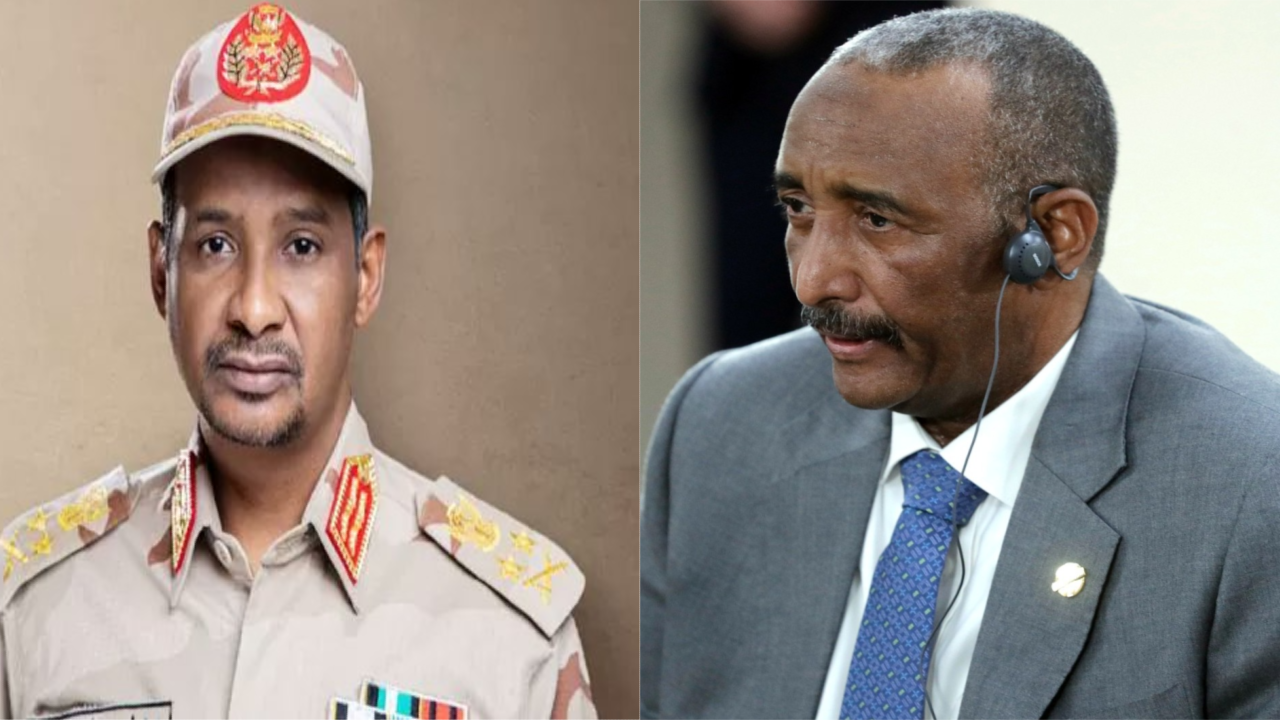
The conflict between the army and the RSF erupted in April 2023 following a power struggle between General and government leader, Abdel Fattah al-Burhan, head of Sudan’s armed forces, and RSF leader General Mohamed Hamdan Dagalo, known as Hemedti.
Subscribe to our newsletter and stay updated on the latest news and updates from around the Muslim world!
Their rivalry escalated after disputes over integrating the RSF into the national army and sharing power in a planned civilian-led government.
The RSF, formed in 2013, evolved from the Janjaweed militia accused of atrocities in Darfur. It rapidly seized large parts of the capital, Khartoum, in the early months of the war.
While the army regained partial control of the capital in March 2025, the RSF still holds most of Darfur and large sections of Kordofan, having also taken border areas near Libya and Egypt in June.
The war has devastated Sudan, displacing over 14 million people and killing as many as 150,000, according to various estimates. The United Nations has called it the world’s worst humanitarian crisis, with entire regions facing famine and widespread destruction.
Accusations of genocide have been levelled against the RSF, particularly over its campaign in West Darfur, where the U.S. and Human Rights Watch allege systematic ethnic cleansing and mass killings of non-Arab populations.
The U.S. has imposed sanctions on Hemedti, while Sudan has attempted, unsuccessfully, to hold the UAE accountable at the International Court of Justice for allegedly funding the RSF.
Despite rounds of failed peace talks in Saudi Arabia and Bahrain, both sides remain entrenched. Observers describe the conflict as strategically deadlocked, with neither side showing real willingness to negotiate.
As fighting continues in North Kordofan and beyond, civilians bear the brunt, caught between airstrikes, ground attacks, and a collapsing humanitarian system.