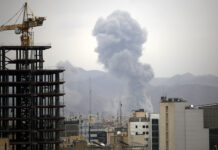




Tensions between Saudi Arabia and the United Arab Emirates have erupted into one of the most significant divisions in recent Gulf politics. What was once a strong alliance is now strained by battles in Yemen, proxy wars in Africa, and competing visions for influence in the Muslim world.
Here is a closer look at why the Gulf split matters and how it ties into wider struggles including Palestine, Sudan and beyond.
Yemen
For years, Saudi Arabia and the UAE fought together against Yemen’s Iran‑aligned Houthis, supporting a Saudi‑led coalition that intervened in Yemen’s civil war.
Riyadh backed Yemen’s internationally recognised government, while the UAE poured support into the Southern Transitional Council (STC), a separatist group in the south.

The STC and Saudi-backed forces worked in relative cooperation for years. However the alliance suddenly broke in late 2025 when the STC expanded its territorial ambitions into Saudi spheres.
While Riyadh focused on keeping Yemen unified along its southern border, the UAE saw Yemen as a strategic gateway to the Red Sea and Gulf of Aden, backing the STC in the south to secure ports, influence and local military partners.
Subscribe to our newsletter and stay updated on the latest news and updates from around the Muslim world!
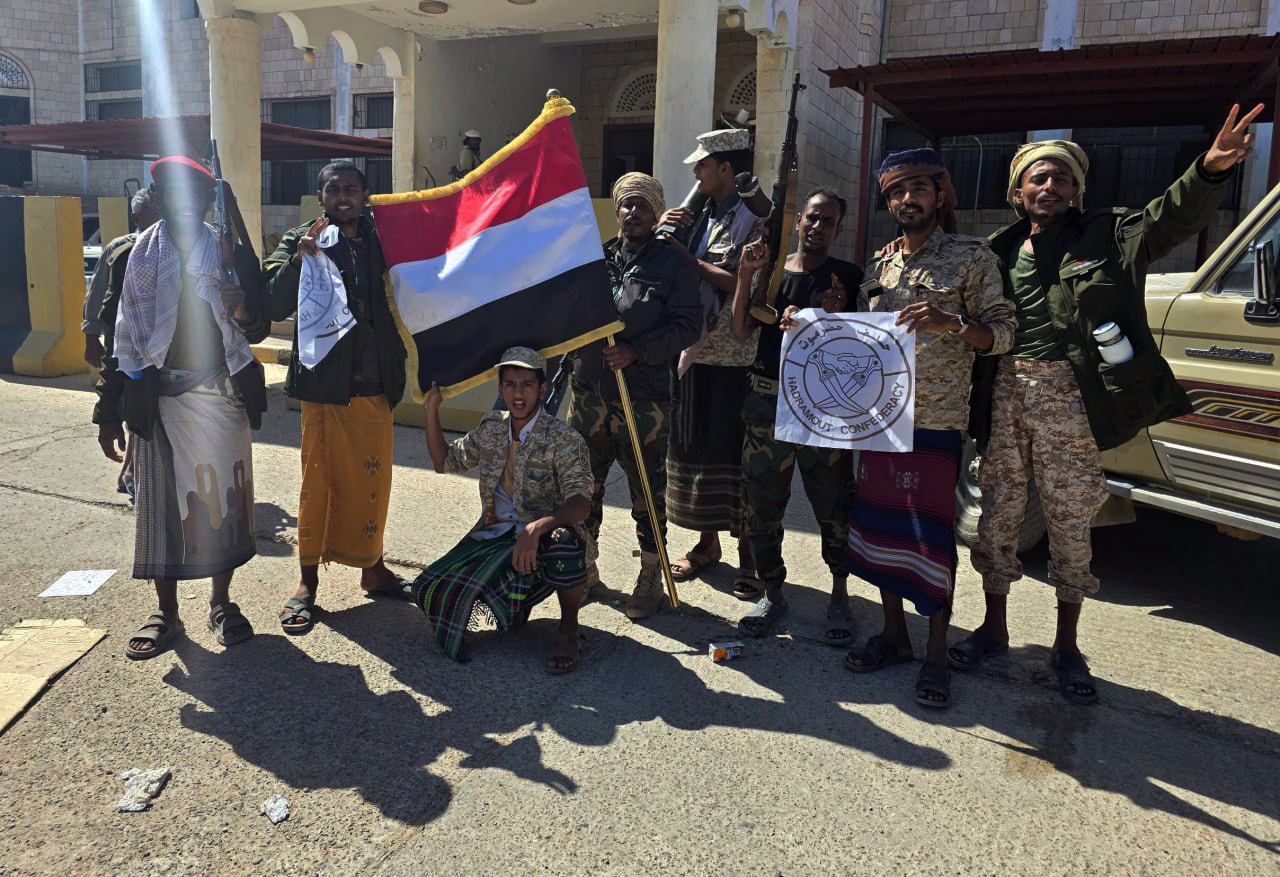
Over time, those different priorities led the UAE to invest in southern separatism and local forces that challenged the unified government supported by Saudi Arabia.
The STC offensive, seizing oil‑rich provinces in late 2025 threatened key Saudi border regions.
Riyadh in response ordered Saudi-backed troops to retake Aden in January 2026, the STC’s de‑facto capital, effectively dissolving the southern separatist leadership.
This confrontation ended UAE-Saudi cooperation in Yemen, forcing Abu Dhabi’s withdrawal from Yemen.
Africa
The Saudi‑UAE rivalry has spread far beyond Yemen, turning parts of Africa into proxy arenas.
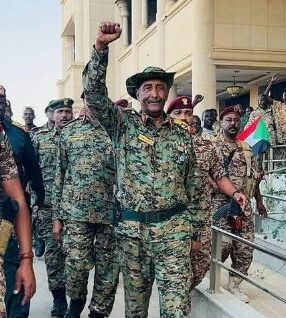
In Sudan, Riyadh backs the Sudanese Armed Forces (SAF) as part of a stance on state sovereignty, while the UAE has been linked to support for militias like the Rapid Support Forces (RSF).
This has led to major backlash. In May 2025, Sudan severed diplomatic ties with the UAE, accusing it of interfering and supplying weapons to the RSF.
Meanwhile in the Horn of Africa, reports show Saudi Arabia moving toward closer security cooperation with states like Somalia and Egypt to counter Emirati influence.
Somalia’s federal government has also cancelled all agreements with the UAE, including at major ports, weakening Abu Dhabi’s footprint in the region.
What’s driving the rift?
The UAE’s pursuit of southern Yemen and Sudan reflect its growing independence from Saudi Arabia, strengthened by ties with Israel and regional economic deals, reducing its reliance on Riyadh.
The UAE and Israel have a Comprehensive Economic Partnership Agreement (CEPA) that officially came into force on 1 April 2023, following their normalisation of relations under the Abraham Accords.
This free‑trade deal eliminates or greatly reduces tariffs on about 96% of goods traded between the two countries and is designed to significantly expand bilateral trade and investment over the coming years.
Analysts say this deal is one of the most important economic partnerships from Arab‑Israeli normalisation and shows the UAE’s focus on both trade and strategy.
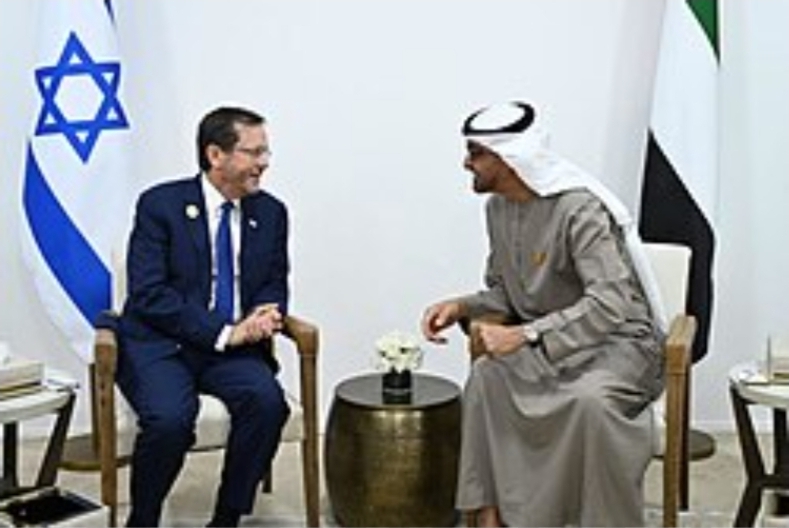
As such, the UAE’s reduced reliance on Saudi bilateral support has emboldened its foreign policy stance, enabling it to back local militias and assert influence across the region, even when this challenges its former ally.
Thus, the rise of Israel‑UAE cooperation in recent years, including diplomatic recognition and commercial ties, sits uneasily with Riyadh’s approach.
Saudi Arabia prefers dealing with central governments and recognised sovereign authorities. The UAE, by contrast, often works through unrecongised local forces driven by economic deals.
Consequences
This rift is not only about rivalries on battlefields. It affects everyday Muslims and people across the region.
Many analysts, including British commentator Sami Hamdi, have speculated that rising tensions with the UAE could push Riyadh to step away from the Western orbit.
Instead, Saudi Arabia may seek to position itself as the leader of a new regional order, working closely with influential Muslim states such as Türkiye and Pakistan.
Recent agreements with Pakistan on mutual defence and security cooperation, as well as talks with Ankara on regional conflicts, suggest Riyadh is already laying the groundwork for this broader network of alliances.
With the UAE pushed out of southern Yemen and its influence curtailed, the situation highlights the growing potential for Saudi Arabia to assert itself more directly across the region.