




Austria has once again targeted Muslim girls, banning the hijab for those under 14 in the name of protecting them from “control” — but in doing so, the government is guilty of precisely what it accuses Muslim families of. Maria Akbar dismantles the double standards and challenges the claim that the hijab is a symbol of oppression.
Austria’s ban on the hijab for girls under the age of 14 comes as little surprise, considering the far-right People’s Party has made little attempt to hide its anti-Muslim rhetoric.
It was only in 2019 that they put forward a law banning head coverings for children in elementary schools up to the age of 10 — yet Jewish boys could continue to wear the kippah and Sikh boys could continue to wear the turban. The law was subsequently struck down by the Constitutional Court, which found that it effectively targeted Muslim girls.
Now they have targeted Muslim girls once again, banning headscarves in schools for girls under 14. The government has described the headscarf as “a sign of oppression and a means of controlling girls from the earliest childhood.”
So let us examine these claims.

Is the headscarf a sign of oppression?
And is it a means of controlling girls from early childhood?
Subscribe to our newsletter and stay updated on the latest news and updates from around the Muslim world!
I have never really understood the claim that the headscarf is a sign of oppression. Usually, this argument refers to the fact that women are required to cover their hair while men are not, and therefore concludes that the hijab represents gender inequality.
But it does not take a genius to understand that men and women are different — physically, psychologically and emotionally. The West itself has produced entire books around the idea that men and women are fundamentally different, including the famous “Men Are from Mars, Women Are from Venus.”
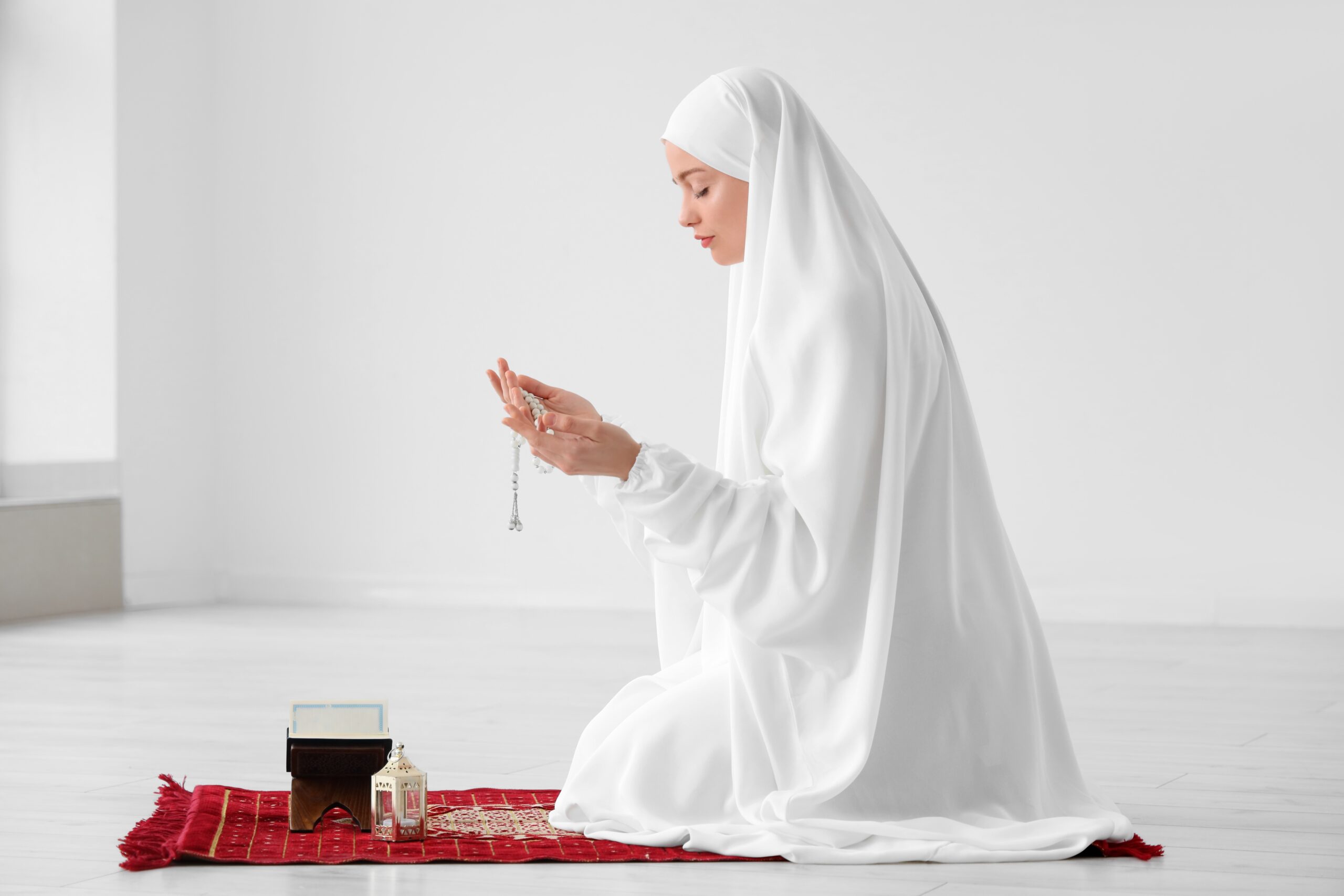
Being different does not mean being unequal. Islam does not teach that men and women must be identical in order to be equal. It recognises that men and women have different strengths, roles and responsibilities, whilst affirming that both are equal before Allah.
And God — our Creator, who knows us better than we know ourselves — has given us guidance through the Qur’an and the Sunnah on how best to live our lives. For Muslim women and girls who have reached the age of puberty, the hijab is therefore not a symbol of oppression. It is a commandment from Allah. And as Muslims, we say “we hear and we obey.” It really is as simple as that.
Observing the hijab is an act of submission — a conscious decision to place obedience to our Creator above our own desires and above the expectations of society.
The hijab in the eyes of non-Muslims
Perhaps this is what makes the hijab so uncomfortable for those who wish to dictate what Muslim women should and should not wear. Because a woman who chooses to observe hijab, particularly when it is difficult to do so, is demonstrating that she is willing to prioritise her faith over societal pressure. She is not easily influenced, nor manipulated by whatever social expectation happens to be fashionable at the time.
And perhaps that is the real issue. Because the irony of Austria’s argument is that, in claiming to protect Muslim girls from “control,” the government is itself telling Muslim girls what they can and cannot wear. The government is telling parents what their children can wear. That is control.
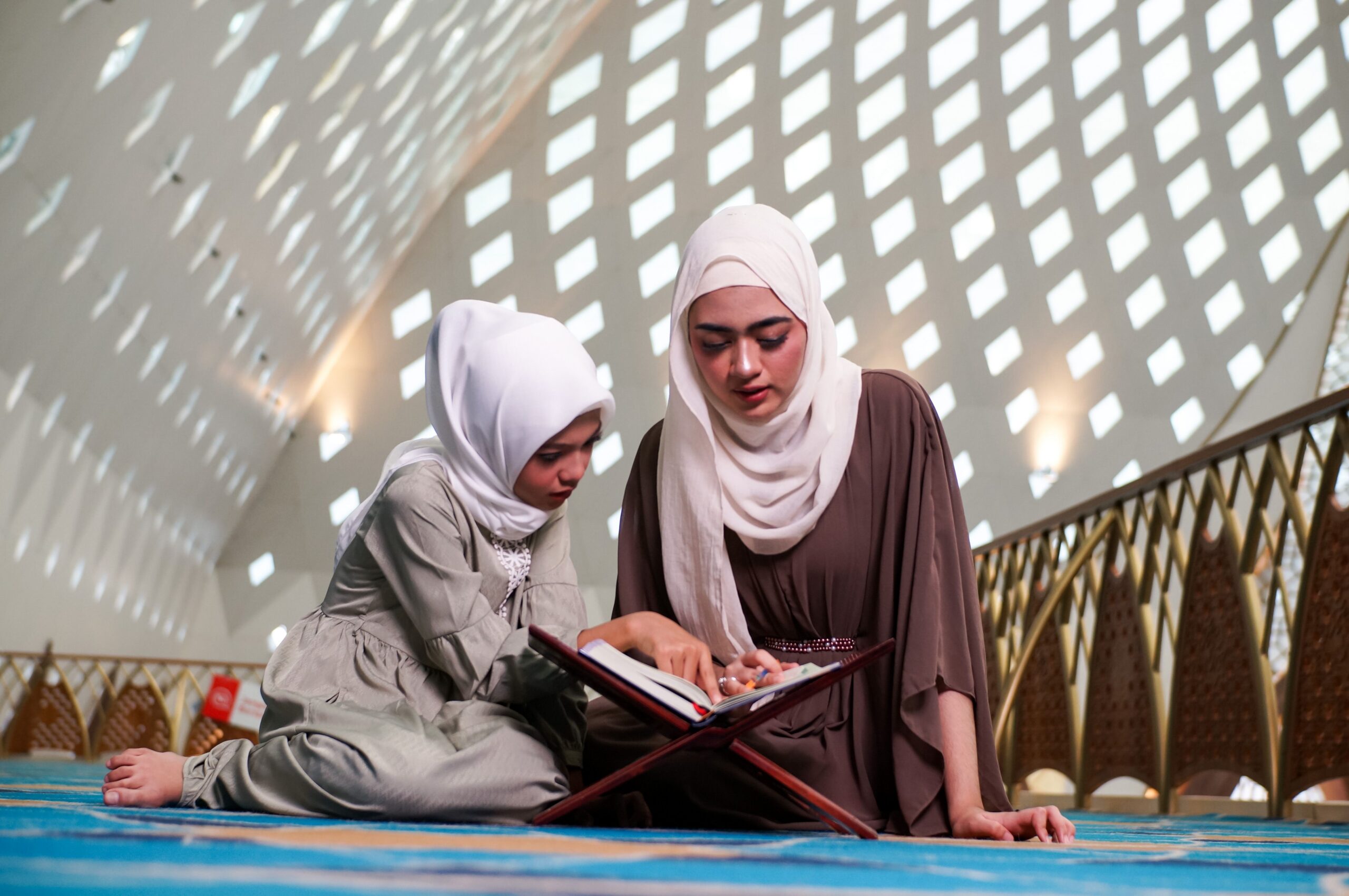
So, as a Muslim, is encouraging a daughter who is under the age of 14 to wear the hijab a form of control? Personally, I do not agree with the premise of the question — because the alternative is also a form of control.
Hijab and the Islamic identity
For Muslim families, the motivation behind encouraging a daughter to wear hijab is not about controlling what she wears. It is about instilling an Islamic identity and teaching her the values of her faith. And if she has reached puberty, then from an Islamic perspective, she is accountable for her own actions before Allah.
If we do not take responsibility for instilling values and an identity in our children, then society will inevitably do the job for us. Many children are increasingly exposed to negative influences — alcohol, drugs, sexual relationships and materialism — from a young age. Teaching and encouraging young children to practise Islam, a religion that promotes kindness, charity and honesty, with strong family values and a rejection of lying, drugs and alcohol, is, for me, a straightforward choice.

In families where mothers themselves wear hijab, it is also not unusual for a daughter to want to wear it simply because she wants to be like her mother. Of course, there will always be fringe cases where girls may be forced to wear the hijab against their will. But should an entire religious community be judged on the basis of those exceptions?
The vast majority of Muslim parents will positively influence their children through Islam. We will teach them to pray. We will teach them about Allah. We will teach them right from wrong. And for many Muslim girls, we will teach them about the hijab — because we believe these values will remain with them throughout their lives and ultimately help them live fulfilling lives rooted in their faith.
The Austrian government says it wants to protect Muslim girls from control. But perhaps it should ask itself a more uncomfortable question: who gets to decide what a Muslim girl is allowed to wear — is it her, her parents, or the state?
If the answer is the state, then perhaps the question of control is not quite as straightforward as they would like us to believe.



