



Several Muslim nations have joined the 17th annual BRICS summit which opened in Rio de Janeiro yesterday, with leaders focusing on alternatives to the dominance of the U.S dollar, global reform and Global South unity.
The BRICS group aims to promote cooperation in trade, investment, and development, counterbalancing Western-dominated global institutions like the IMF or World Bank.
They focus on economic growth, sustainable development, and geopolitical influence, often pushing for a multipolar world order.
Their 17th annual summit opened yesterday in Brazil, bringing together leaders and high-level delegations from the now 11-member economic bloc to discuss trade, technology, climate change, and global governance.
Hosted by Brazilian President Luiz Inacio Lula da Silva, the two-day summit takes place against a backdrop of global instability, including the ongoing war in Ukraine, Israeli and U.S. strikes on Iran, and what BRICS members describe as Western economic dominance.

The bloc’s theme this year is “Strengthening Global South Cooperation for More Inclusive and Sustainable Governance.”
Muslim countries attending include Saudi Arabia, Iran, the UAE, Egypt and Indonesia.
Subscribe to our newsletter and stay updated on the latest news and updates from around the Muslim world!
Russian Foreign Minister Sergey Lavrov is leading Moscow’s delegation in place of President Vladimir Putin, who will join the main plenary virtually. Putin remains under an International Criminal Court arrest warrant related to the Ukraine war.
Similarly, Chinese President Xi Jinping has skipped the summit — for the first time since taking office — citing a scheduling conflict. He is being represented by Premier Li Qiang.
Other key attendees include Indian Prime Minister Narendra Modi, South African President Cyril Ramaphosa, and UN Secretary-General Antonio Guterres.
BRICS, originally formed in 2009 by Brazil, Russia, India, and China, expanded to include South Africa in 2010 and has since grown significantly.
In the last year, it welcomed several Muslim-majority states as full members — including Egypt, Iran, the United Arab Emirates, and Indonesia — reflecting a broader geopolitical shift toward inclusion of the Islamic world in multipolar power frameworks.
The bloc also created a new category of “partner countries,” now including Vietnam, Nigeria, and Malaysia, another Muslim-majority country.
Representing nearly half the world’s population and more than a quarter of global economic output, the bloc is positioning itself as a champion of the Global South and a counterweight to Western-led groups such as the G7.
The leaders are expected to strongly criticise the United States, particularly President Donald Trump’s reimposed tariff policies, which they argue are damaging to global trade.
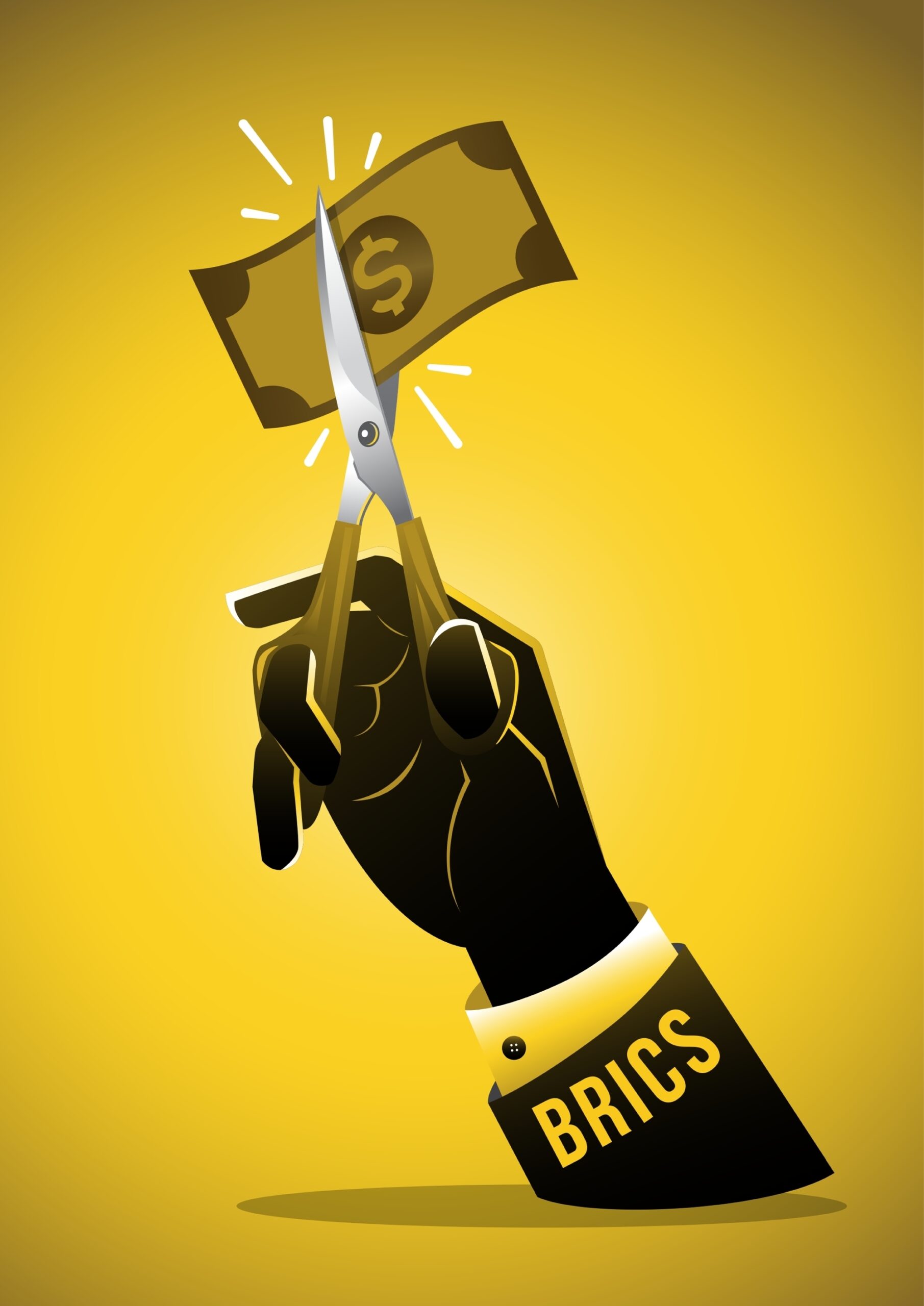
Trump, who returned to the White House in 2025, has previously threatened to impose 100% tariffs on BRICS members if the bloc takes steps to undermine the U.S. dollar — a warning first issued in 2024 as discussions on de-dollarisation gained traction within the group.
Brazil is spotlighting six main issues at the summit: artificial intelligence, global health policy, climate change, trade, finance, and reform of global governance structures. There is also growing support among members for developing financial systems that reduce dependence on the U.S. dollar — a priority particularly embraced by states like Iran and Russia which face Western sanctions.
However, tensions and diverging interests within the bloc remain visible. According to diplomatic sources, some countries are pushing for a tougher stance on Israel over its war in Gaza and strikes on Iranian territory, but consensus remains elusive.
The bloc’s expansion has also raised concerns about unity, given the varied political systems and regional priorities of its members, including secular, communist, democratic, and Muslim-led governments.